🇭🇺 Augusztus 20. – Amikor egy egész nemzet, minden magyar szíve egyszerre dobban 🇭🇺
🇭🇺 Miről olvashatsz a cikkben? 🇭🇺
A cikk bemutatja, mit jelent számodra augusztus 20., Magyarország egyik legfontosabb nemzeti ünnepe. Megismerheted az államalapítás és Szent István király történelmi jelentőségét, valamint azt is, miért kapcsolódik ehhez a naphoz az új kenyér ünnepe. Az írás arról is szól, hogyan köti össze augusztus 20. a múltat, a jelent és a jövőt, és miért lehet fontos számodra a magyar nyelv, a hagyományok, a családi emlékek és a közösséghez tartozás érzése. Megmutatja, hogy az ünnep nem csupán a tűzijátékról és a rendezvényekről szól, hanem arról is, mit örököltél, mit őrzöl meg, és mit adhatsz tovább a következő nemzedéknek. A végén konkrét példákat is találsz arra, hogyan teheted személyesebbé és tartalmasabbá augusztus 20. ünnepét.
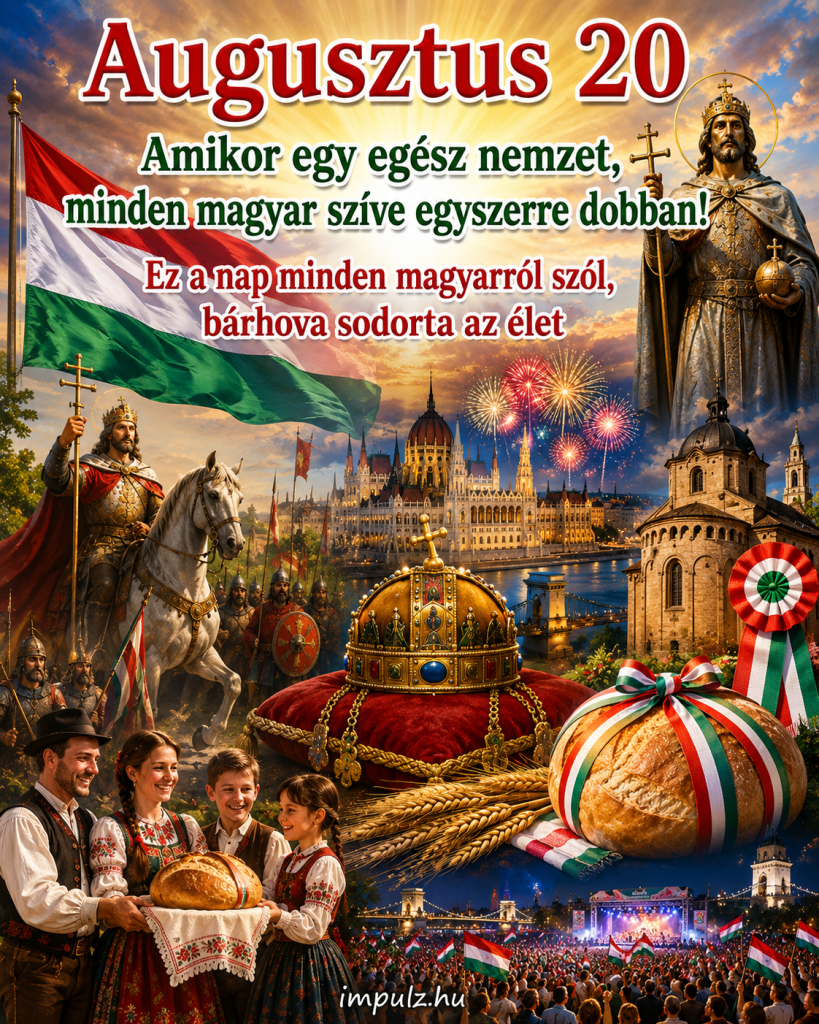
💖 🇭🇺 Ez a nap minden magyarról szól, bárhova sodorta az élet. 🇭🇺 💖
Van egy nap az évben, amikor egy kicsit másképpen nézel a magyar zászlóra, másképpen hallgatod a Himnuszt, és talán egy pillanatra te is elgondolkodsz azon, mit jelent magyarnak lenni.
Augusztus 20. nem egyszerűen egy munkaszüneti nap, egy nyári program vagy az esti tűzijáték napja. Magyarország egyik legfontosabb nemzeti ünnepe: az államalapítás és az államalapító Szent István király emlékének hivatalos állami ünnepe.
De az ünnep ennél sokkal többet jelenthet neked.
Mert amikor augusztus 20-án meglátod a nemzeti színeket, hallod a zenét, nézed a zászlókat, vagy éppen a családoddal ülsz az asztalnál, valami olyan érzés is megjelenhet benned, amit nehéz néhány szóval megfogalmazni.
Ez az összetartozás érzése.
Annak a tudata, hogy bármerre is jársz a világban, van egy hely, amelyhez tartozol. Van egy nyelv, amelyen az első szavaidat kimondtad. Vannak történetek, amelyeket a szüleidtől, nagyszüleidtől hallottál. Vannak ételek, dalok, versek, tájak, emlékek és családi történetek, amelyek csak neked jelentenek ugyanazt. Talán éppen ezért olyan különleges augusztus 20.
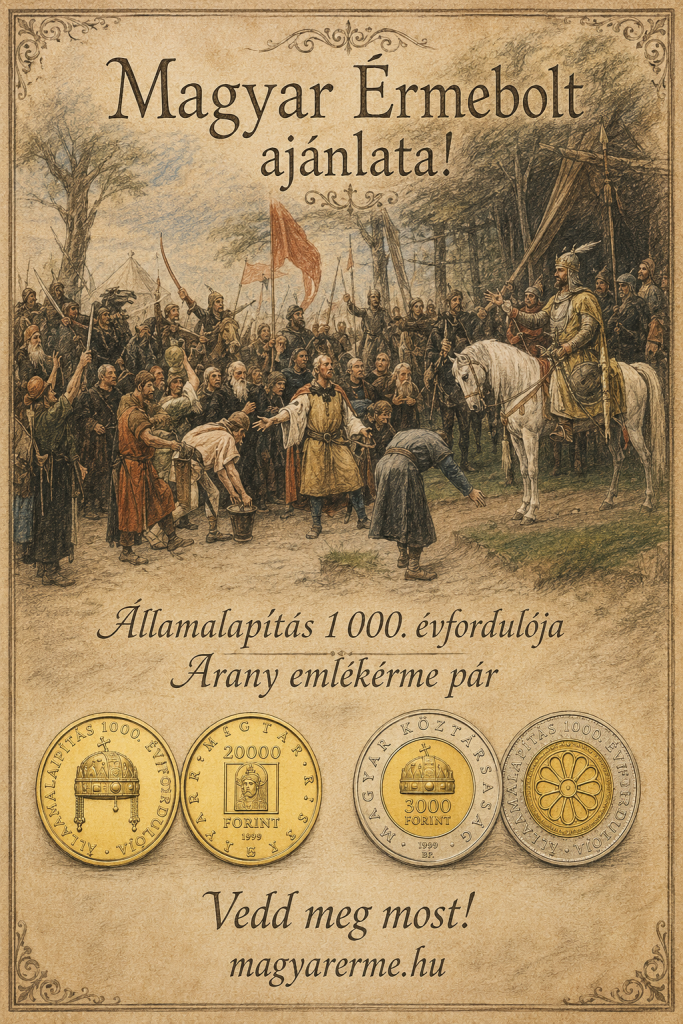
Államalapítás 1 000. évfordulója magyarerme.hu
Mit ünneplünk valójában?
Augusztus 20-án az államalapításra, Szent István királyra és a magyar állam keresztény alapjainak megszilárdítására emlékezünk. A hagyomány szerint Szent Istvánt 1083. augusztus 20-án avatták szentté Székesfehérváron.
István király döntései évszázadokra meghatározták Magyarország helyét Európában. Az államszervezés, a törvények, az egyházi intézmények és az ország működésének kialakítása olyan alapokat teremtett, amelyek nélkül egészen másképpen alakult volna a magyar történelem.
Amikor ma rá gondolsz, nem csupán, több mint ezer évvel ezelőtt élt uralkodóra emlékezel. Hanem arra az emberre is, aki egy nehéz korszakban próbált olyan országot teremteni, amely képes fennmaradni. Talán ez az egyik legfontosabb üzenete augusztus 20-nak.
Egy ország jövője mindig azon is múlik, hogy az adott nemzedék mit épít fel az utána következőknek.
Te is építesz valamit, lehet, hogy nem országot, egy családot, egy otthont. Egy vállalkozást, egy közösséget, vagy egyszerűen csak azt a világot, amelyben a gyermekeid és unokáid élni fognak.
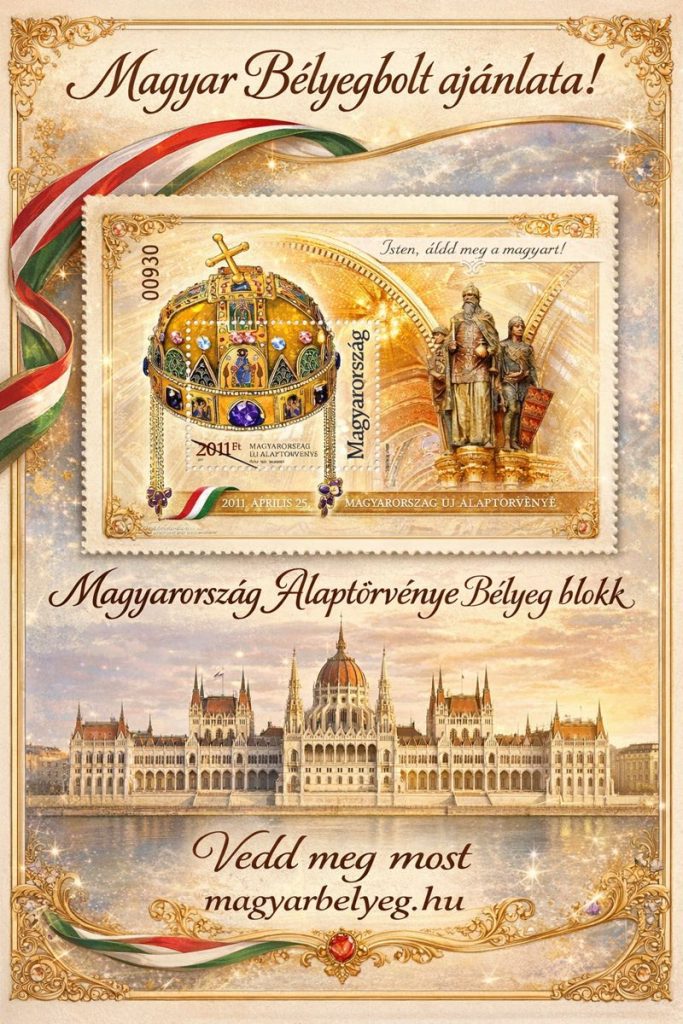
2016. Magyarország új alaptörvénye – Felülnyomott blokk
Vedd meg most! magyarbelyeg.hu
Az ünnep, amely összeköti a múltat és a jelent
Gondolj bele, milyen különös érzés lehet, amikor egy augusztus 20-i ünnepségen egymás mellett áll több generáció.
Ott van a nagymama, a szülő, a gyermek, mindannyian ugyanazt a zászlót látják. Ugyanazt az országot érzik magukénak, de mindannyian mást hordoznak magukban. Az idős embernek eszébe juthat a gyerekkora, az első augusztus 20., amelyre emlékszik, a régi ünnepségek, a családtagok, akik már nincsenek mellette. A középkorú ember talán a saját gyermekei jövőjére gondol. A fiatal pedig talán még csak most kezdi felfedezni, mit jelent számára Magyarország. Ezért egy nemzeti ünnep nemcsak a történelemről szól.
Rólad is szól.
Arról, amit örököltél, arról, amit továbbadsz és arról, hogy te mit teszel hozzá ahhoz a közösséghez, amelynek része vagy.
Vedd meg most, a 2026. évi Aranyforint PP forgalmi sort! magyarerme.hu
Az új kenyér – Több mint egy darab kenyér
Augusztus 20. másik fontos jelképe az új kenyér, ez első pillantásra egyszerű hagyománynak tűnhet. Pedig gondolj bele, mit jelentett régen a kenyér! A kenyér az élet része volt, a búza mögött ott volt a föld, az eső, a napsütés, a gazda munkája, az aratás és az egész közösség erőfeszítése. Amikor az új kenyér az asztalra került, az nem csupán egy frissen megsült élelmiszer volt. Hanem annak a jele, hogy ismét sikerült, sikerült betakarítani, sikerült megőrizni, sikerült kenyeret sütni és volt mit az asztalra tenni.
Talán ma, amikor bemész a boltba és leveszed a polcról a kenyeret, már nem érzed ennek a jelentőségét. Pedig érdemes néha megállni egy pillanatra. Nézz rá az asztalodon lévő kenyérre!
Hány ember munkája van mögötte?
A földművesé, a molnáré, a péké, a fuvarozóé és azoké, akik biztosítják, hogy az élelmiszer eljusson hozzád. Az új kenyér ezért a hála érzését is felidézheti benned, hálát azért, amid van.
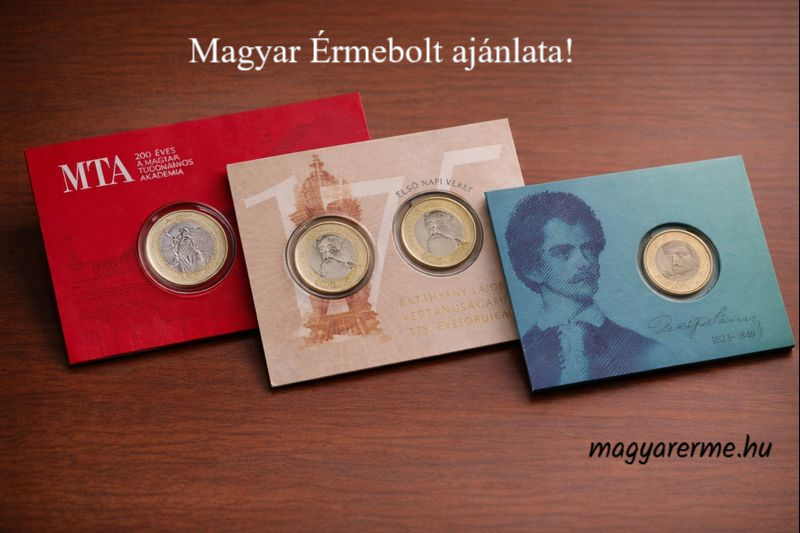
200 forintos forgalmi erme emlékváltozatai!
Vedd meg most! magyarerme.hu
Miért érint meg bennünket ennyire egy nemzeti ünnep?
Az embernek szüksége van valamire, amihez tartozhat.
Szüksége van családra, barátokra, közösségre, emlékekre és olyan közös jelképekre, amelyek azt üzenik: nem vagy egyedül. Amikor egy nagy közösség egyszerre ünnepel, az erősítheti benned az összetartozás érzését. Nem kell ugyanúgy gondolkodnod, mint mindenki más, nem kell minden kérdésben egyetértened másokkal. Lehetnek különböző véleményeitek, különböző életutatok és különböző tapasztalataitok. Mégis lehet valami, ami összeköt, a magyar nyelv. A közös történelem, a kultúránk, a hagyományaink, a családi emlékeink, a magyar táj, a nemzeti színek, a Himnusz.
És az a tudat, hogy egy olyan közösség részei vagyunk, amelynek története több mint ezer évre nyúlik vissza. Ezért van az, hogy egy nemzeti ünnep néha olyan érzéseket is előhoz, amelyeket a hétköznapokban elnyomunk. Lehet, hogy büszkeséget érzel, meghatódsz, eszedbe jut valaki, aki már nincs veled, a gyermekeidre gondolsz. Lehet egyszerűen csak jó érzés tölt el, amikor látod a magyar zászlót, mindegyik érzés természetes.
Szent István üzenete ma is megszólíthat
Több mint ezer év választ el bennünket Szent István korától. A világ teljesen megváltozott, másképpen dolgozunk, másképpen közlekedünk, telefonon beszélünk a világ másik felén élő emberekkel. Olyan dolgokat tudunk néhány másodperc alatt elintézni, amelyekhez korábban napok vagy hetek kellettek.
Mégis vannak dolgok, amelyek nem változtak, ma is szeretnél biztonságot a családodnak, szeretnéd, hogy a gyermekeidnek jobb legyen. Ma is szeretnél olyan országban élni, amelyet az otthonodnak nevezhetsz és ma is fontos számodra, hogy legyen valami, amit továbbadhatsz. Talán ez az egyik legmélyebb üzenete augusztus 20-nak.
Nem az a feladatod, hogy ugyanazt éld, amit az elődeid éltek, az a feladatod, hogy amit tőlük kaptál, azt értékkel add tovább.
Minden magyarnak! – Magyar mese, a magyar gyermekeknek!
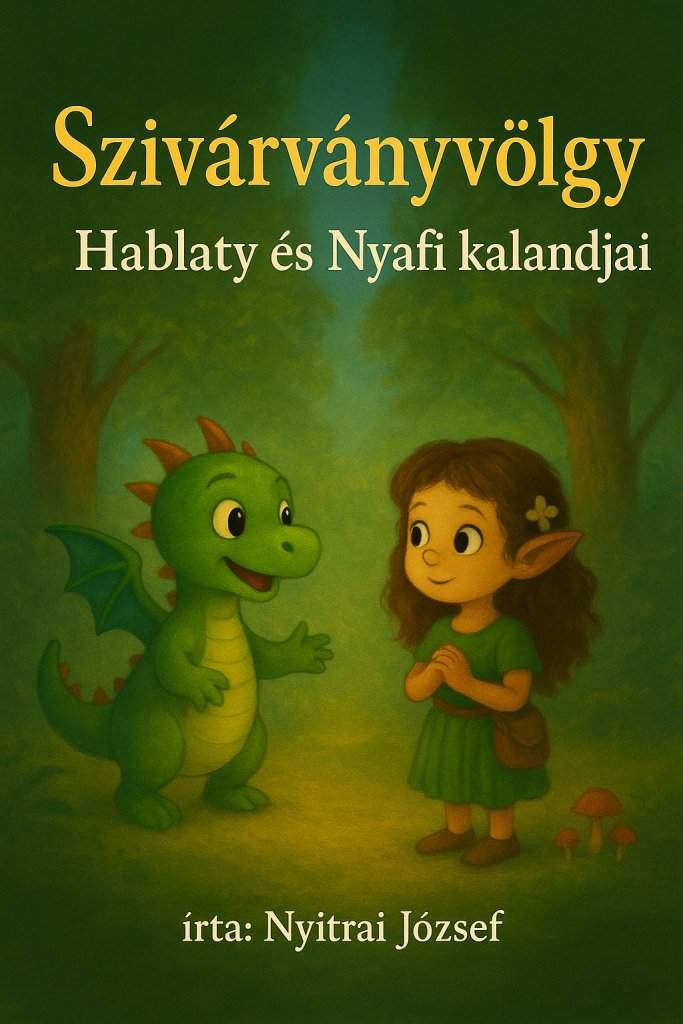
Olvass fel gyermekeidnek, a mese sorozatomból!
30 ingyenes, online mese! Szivárványvölgy meséi >>
Augusztus 20. nem csak Budapestről szól
Sokan az esti látványosságokra gondolnak, amikor meghallják: augusztus 20.
A Duna, a fények, a tűzijáték, a tömeg, az ünnepi programok, de az ünnep nem csak a fővárosban létezik. Ott van a vidéki kisvárosokban, a falvakban, a családi asztal mellett, a templomban, a kenyér illatában, a magyar zászlóban, ott van minden magyarban, ott van benned is.
Ha ezen a napon otthon maradsz a családoddal, attól még ugyanúgy ünnepelhetsz, ha elmész egy helyi rendezvényre, ugyanúgy része vagy az ünnepnek. Ha megnézed a tűzijátékot, ha meghallgatsz egy magyar dalt, ha előveszel egy régi családi fényképet, vagy csak csendben gondolsz arra, mit jelent számodra Magyarország, már kapcsolódsz az ünnephez. Nem az számít, hogy mekkora ünnepségen veszel részt, hanem az, hogy mit jelent neked ez a nap.
Mit adhatsz tovább te?
Talán ez az egyik legfontosabb kérdés, mert a nemzet nemcsak a múlt, a nemzet a jelen és a jövő is, Te is része vagy.
Amikor megtanítod a gyermekednek a magyar történelmet, valamit továbbadsz, amikor megőrzöd a családi történeteket, valamit továbbadsz. Amikor magyarul beszélsz a gyermekeddel, vagy az unokáddal, valamit továbbadsz. Amikor megtanítod őt arra, hogy becsülje a munkát, segítsen másokon, tisztelje az időseket és szeresse a hazáját, valamit továbbadsz.
Nem kell nagy dolgokra gondolnod, a nemzet jövője sokszor a hétköznapi apróságokban épül. Egy családi beszélgetésben, régi történet elmesélésében, magyar vers felolvasásában, a kenyér szeletelésben, nagyszülő emlékének megőrzésében, gyermek kezébe adott magyar könyvben.
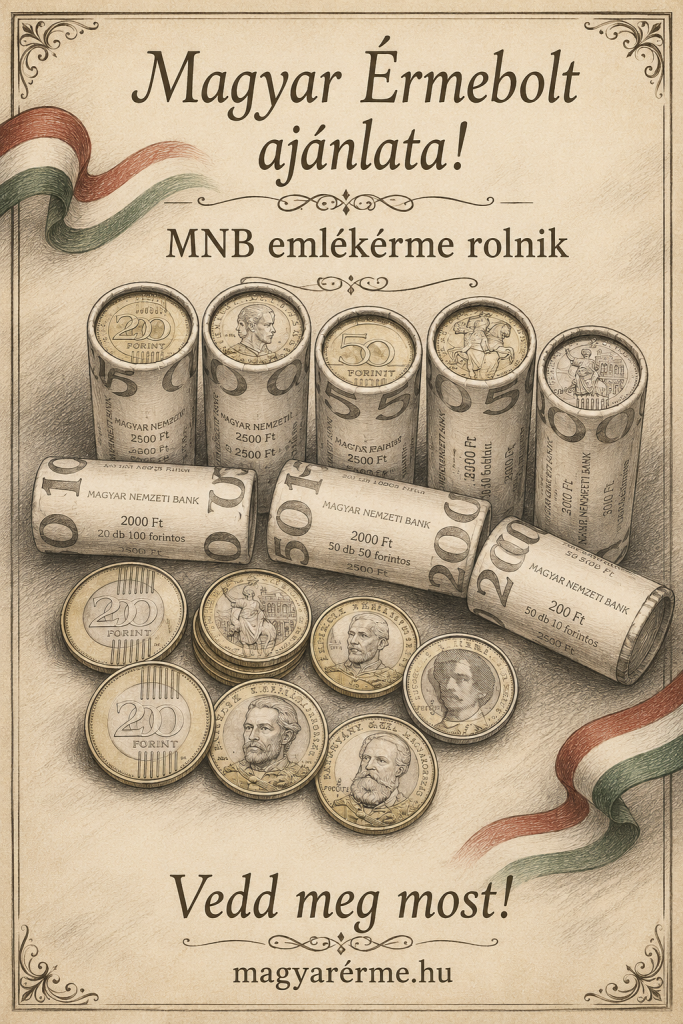
Eredeti MNB rolnik nagy választékban! magyarerme.hu
Augusztus 20. – ünnep, amelyben te is benne vagy
Amikor augusztus 20. – án felnézel az égre, és meglátod a fényeket, ne csak a tűzijátékot lásd, gondolj arra is, hogy milyen hosszú utat tett meg ez az ország, a magyar nép. Gondolj azokra, akik előttünk éltek, azokra, akik dolgoztak, építettek, harcoltak, szenvedtek, szerettek és családot alapítottak. Gondolj a szüleidre és a nagyszüleidre, gondolj a gyermekeidre és az unokáidra és gondolj saját magadra is. Te is része vagy ennek a történetnek, lehet, hogy nem kerülsz be a történelemkönyvekbe, de amit a családodnak, a közösségednek és a következő nemzedéknek adsz, annak jelentősége van.
Augusztus 20. ezért lehet egyszerre emlékezés, hála, büszkeség és remény. Emlékezés arra, ahonnan jöttünk, hála azért, amink van. Büszkeség arra, amit őseink létrehoztak és remény arra, hogy lesz mit továbbadnunk.
Mert egy ország nem attól marad fenn, hogy csak emlékezik a múltjára. Attól is, hogy minden nemzedék hozzátesz valamit a jövőjéhez.
Mária aranyforintja – Vedd meg most! magyarerme.hu
Konkrét példák, hogyan élheted meg te augusztus 20-át?
• Beszélgess a családoddal: kérdezd meg a szüleidet vagy nagyszüleidet, hogyan ünnepelték régen augusztus 20-át.
• Mesélj a gyerekeknek Szent Istvánról: ne csak évszámokat taníts nekik, hanem meséld el, miért volt fontos az államalapítás.
• Tedd ki a magyar zászlót: egy apró gesztus is kifejezheti, hogy számodra fontos az ünnep.
• Süsd vagy szegd meg az új kenyeret együtt: beszélj a gyerekeknek arról, honnan kerül a kenyér az asztalra.
• Nézzetek meg egy magyar történelmi filmet vagy olvassatok magyar történetet: így a múlt nem száraz tananyag, hanem élő történet lehet.
• Őrizz meg egy családi történetet: kérdezd meg az idősebb családtagokat a régi időkről, és írd le, amit mesélnek.
• Menjetek el egy helyi ünnepségre: nem kell feltétlenül Budapestre utaznod ahhoz, hogy átérezzétek az ünnep hangulatát.
• Ha megnézed a tűzijátékot, állj meg egy pillanatra: ne csak a fényeket nézd, hanem gondolj arra is, mit jelent számodra az otthon és Magyarország.
• Tanítsd meg a következő nemzedéknek, amit fontosnak tartasz: mert amit nem adunk tovább, az egyszer könnyen eltűnhet.
Amikor augusztus 20-án megszeged az új kenyeret, talán jusson eszedbe egy egyszerű gondolat, „van múltunk, van jelenünk, és rajtunk is múlik, milyen lesz a jövőnk.„
Ezért augusztus 20. nem csak egy dátum a naptárban, ez a nap minden magyarról szól, bárhova sodorta az élet.
💎 írta, Nyitrai József 2026.08.20.
💎 rajz: Mi
💎impulz.hu 🇭🇺
🇭🇺 Őseink nyomán 🇭🇺
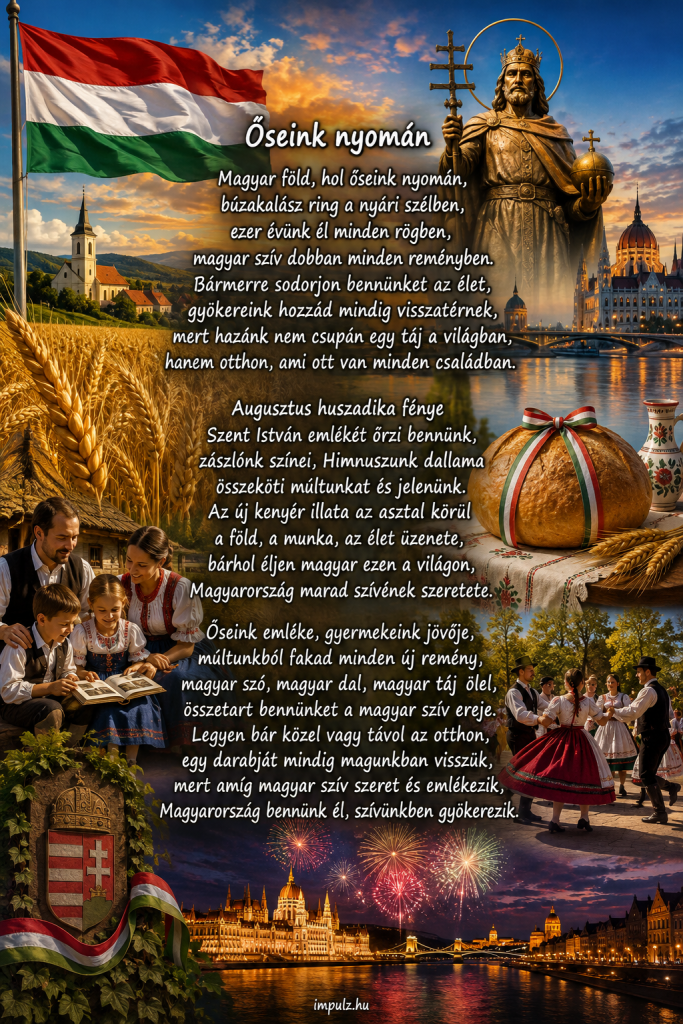
💎 a verset írta: Nyitrai József 2026.08.20.
💎 rajz: Mi
💎 impulz.hu 🇭🇺
Te tudtad, hogy 2.5 millió magyar él a határokon túl a nagyvilágban!
🇭🇺 Egy nemzet a nagyvilágban 🇭🇺
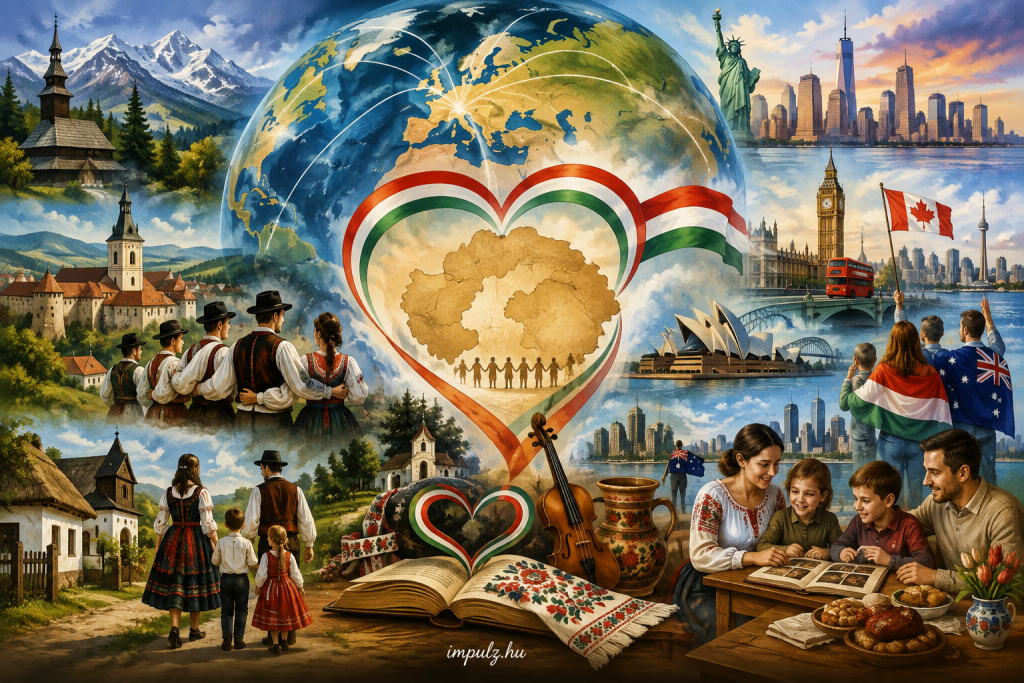
Magyar vagy, bárhol is élsz a világban
Vak Szín – Ha már nem néz – ének Nyitrai Attila
🇬🇧 August 20 – When an entire nation, every Hungarian heart, beats as one
🇬🇧 What can you read about in the article?
The article explores what August 20 means to you as one of Hungary’s most important national holidays. It introduces the historical significance of the foundation of the Hungarian state and King Saint Stephen, while also explaining why the celebration of the new bread is an important part of the day. The article looks at how August 20 connects the past, the present and the future, and why the Hungarian language, traditions, family memories and the feeling of belonging to a community can be so meaningful. It shows that the holiday is about much more than fireworks and public events: it is also about what you have inherited, what you preserve, and what you pass on to the next generation. At the end, you will find practical examples of how you can make August 20 more personal and meaningful for yourself and your family.
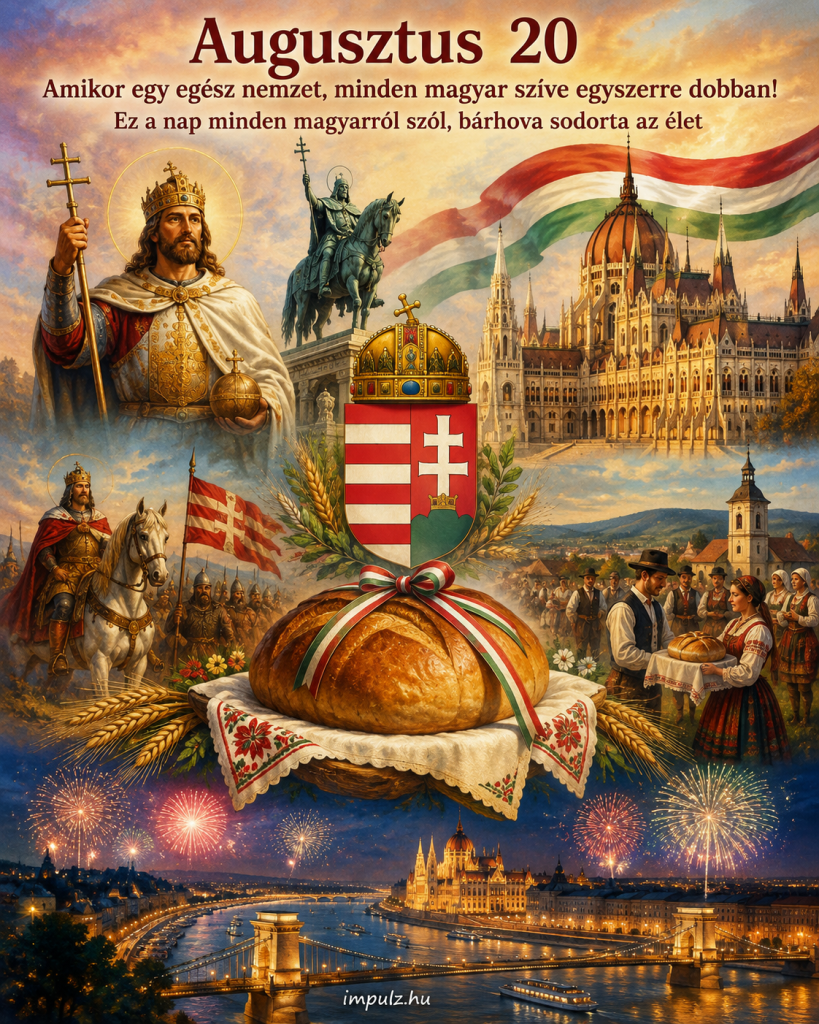
💖 🇬🇧 This day is about every Hungarian, wherever life may have taken them. 🇬🇧 💖
There is one day each year when you look at the Hungarian flag a little differently, listen to the National Anthem in a different way, and perhaps, for a moment, you too reflect on what it means to be Hungarian.
August 20 is not simply a public holiday, a summer program, or the day of the evening fireworks. It is one of Hungary’s most important national holidays: the official state celebration commemorating the founding of the Hungarian state and its founder, King Saint Stephen.
But the meaning of this celebration can be much deeper for you.
Because when you see the national colors on August 20, hear the music, watch the flags, or simply sit at the table with your family, something else may arise within you, a feeling that is difficult to put into just a few words.
It is the feeling of belonging.
The knowledge that wherever you may be in the world, there is a place to which you belong. There is a language in which you spoke your first words. There are stories you heard from your parents and grandparents. There are foods, songs, poems, landscapes, memories, and family stories that carry a meaning that is uniquely yours. Perhaps that is why August 20 is so special.
Vedd meg most, a Forgalmi sorok, emlékérme változatait! magyarerme.hu
What are we really celebrating?
On August 20, we commemorate the founding of the Hungarian state, King Saint Stephen, and the consolidation of the Christian foundations of the Hungarian state. According to tradition, Stephen was canonized in Székesfehérvár on August 20, 1083.
The decisions made by King Stephen shaped Hungary’s place in Europe for centuries. The organization of the state, the establishment of laws and ecclesiastical institutions, and the development of the country’s administration created foundations without which Hungarian history would have unfolded very differently.
When you think of him today, you are not simply remembering a ruler who lived more than a thousand years ago. You are also remembering a man who, in a difficult era, tried to build a country capable of surviving. Perhaps this is one of the most important messages of August 20.
The future of a country always depends, in part, on what one generation builds for those who come after it.
You are building something too. Perhaps not a country, but a family, a home, a business, a community, or simply the world in which your children and grandchildren will live.
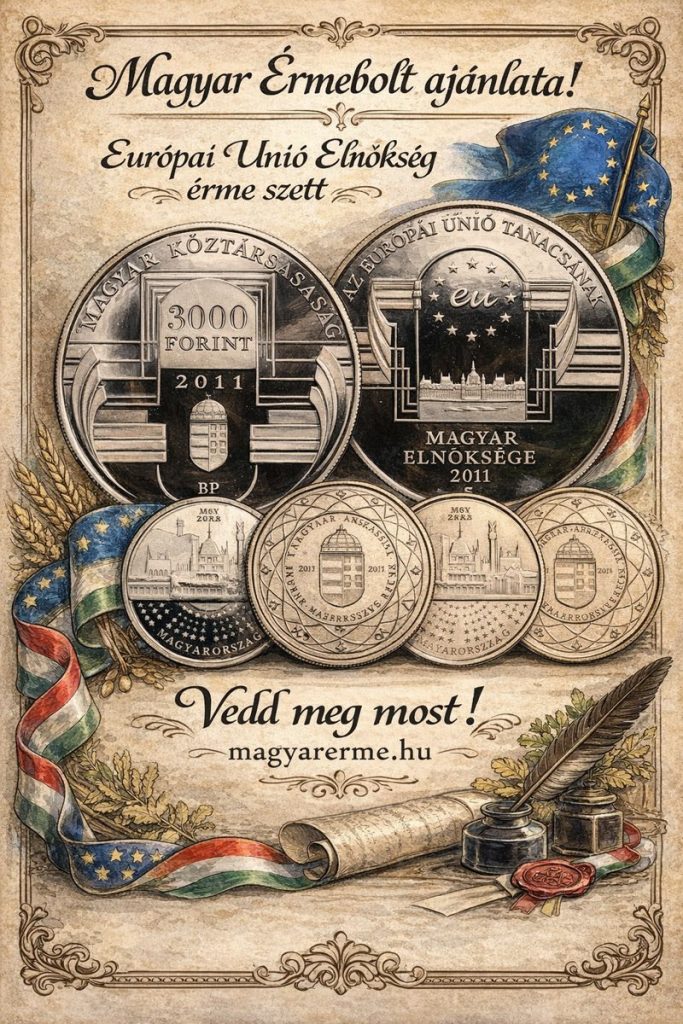
Vedd meg most, az Erópai Unió Elnökség, emlékérme szettet! magyarerme.hu
The celebration that connects the past and the present
Think about how special it can feel when several generations stand side by side at an August 20 celebration.
There is the grandmother, the parent, the child, all looking at the same flag. They all feel that the same country belongs to them, yet each carries something different within.
For an elderly person, it may bring back memories of childhood, the first August 20 celebration they remember, old ceremonies, and family members who are no longer by their side.
A middle-aged person may be thinking about the future of their own children.
And a young person may only now be beginning to discover what Hungary means to them.
That is why a national holiday is not only about history.
It is also about you.
It is about what you inherited, what you pass on, and what you contribute to the community of which you are a part.
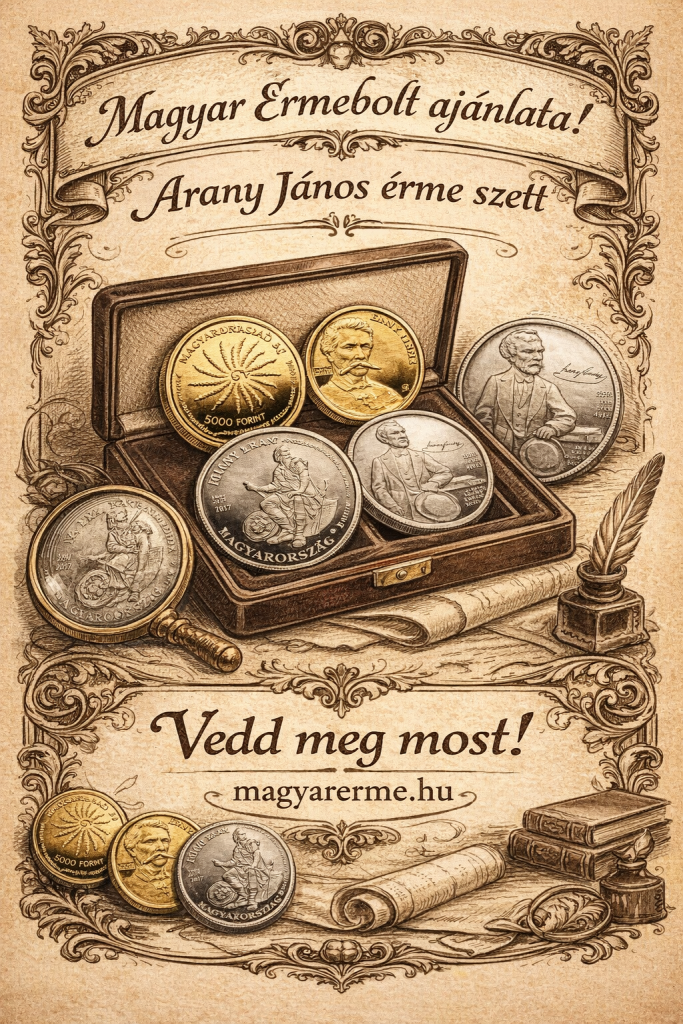
Vedd meg most, az Arany János érme szettet! magyarerme.hu
The new bread – More than just a loaf of bread
Another important symbol of August 20 is the new bread. At first glance, this may seem like a simple tradition. But think about what bread meant in the past! Bread was a part of life. Behind the wheat were the land, the rain, the sunshine, the farmer’s work, the harvest, and the efforts of the entire community. When the new bread appeared on the table, it was not simply freshly baked food. It was a sign that once again, they had succeeded, the harvest had been gathered, it had been preserved, bread had been baked, and there was food to put on the table.
Perhaps today, when you walk into a store and take a loaf of bread from the shelf, you no longer feel the significance of this. But sometimes it is worth stopping for a moment. Look at the bread on your table!
How many people’s work went into it?
The farmer’s, the miller’s, the baker’s, the driver’s, and all those who make sure that food reaches you. The new bread can therefore also awaken a feeling of gratitude within you, gratitude for what you have.
Why does a national holiday touch us so deeply?
People need something they can belong to.
We need family, friends, community, memories, and shared symbols that tell us: you are not alone. When a large community celebrates together, it can strengthen your sense of belonging. You do not have to think the same way as everyone else, and you do not have to agree with others on every issue. You may have different opinions, different paths through life, and different experiences. Yet there can still be something that connects you: the Hungarian language. Our shared history, our culture, our traditions, our family memories, the Hungarian landscape, our national colors, and the National Anthem.
And the knowledge that we are part of a community whose history stretches back more than a thousand years. This is why a national holiday can sometimes bring out feelings that we suppress in everyday life. You may feel proud, become emotional, remember someone who is no longer with you, or think about your children. Perhaps you simply feel good when you see the Hungarian flag. Every one of these feelings is natural.
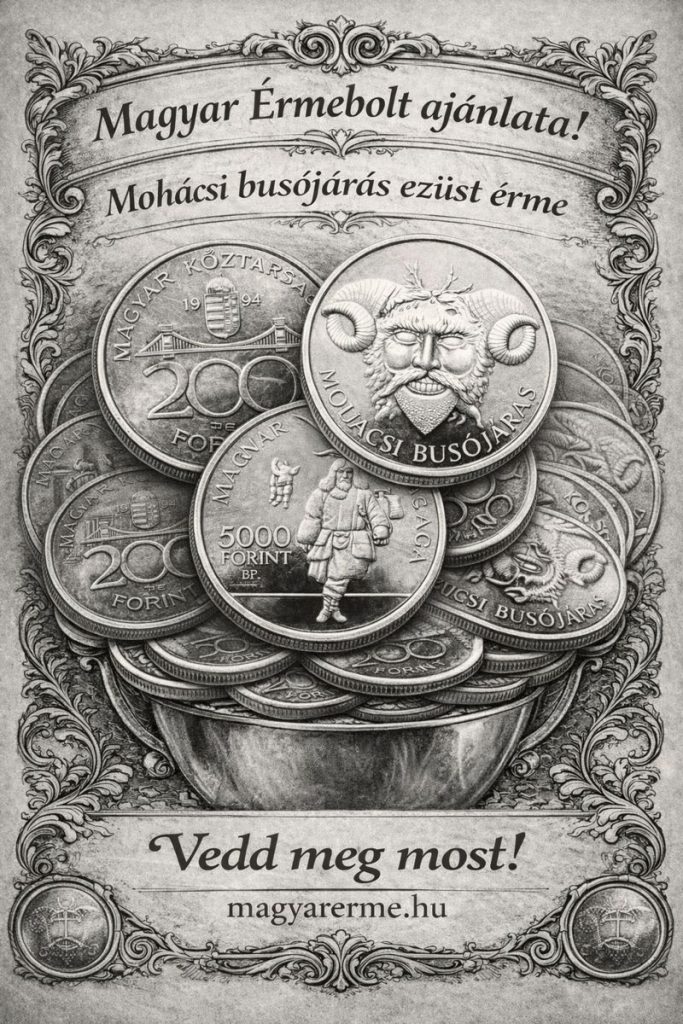
Vedd meg most, a Mohácsi busójárás ezüst érmet! magyarerme.hu
The message of saint stephen can still speak to you today
More than a thousand years separate us from the time of Saint Stephen. The world has changed completely. We work differently, travel differently, and communicate by phone with people living on the other side of the world. We can accomplish in a few seconds things that once required days or weeks.
Yet some things have not changed. You still want security for your family. You still want your children to have a better future. You still want to live in a country you can call home, and it is still important to you to have something you can pass on.
Perhaps this is one of the deepest messages of August 20.
Your task is not to live the same life your ancestors lived. Your task is to pass on what you received from them with added value.
August 20 Is Not Just About Budapest
Many people think of the evening’s spectacular celebrations when they hear the words: August 20.
The Danube, the lights, the fireworks, the crowds, the festive programs, but the celebration does not exist only in the capital. It is there in small towns and villages, around the family table, in churches, in the smell of freshly baked bread, in the Hungarian flag. It is there in every Hungarian. It is there in you, too.
If you stay at home with your family on this day, you can still celebrate just as meaningfully. If you attend a local event, you are equally part of the celebration. If you watch the fireworks, listen to a Hungarian song, take out an old family photograph, or simply sit quietly and think about what Hungary means to you, you are already connected to the celebration.
It does not matter how large a celebration you attend. What matters is what this day means to you.
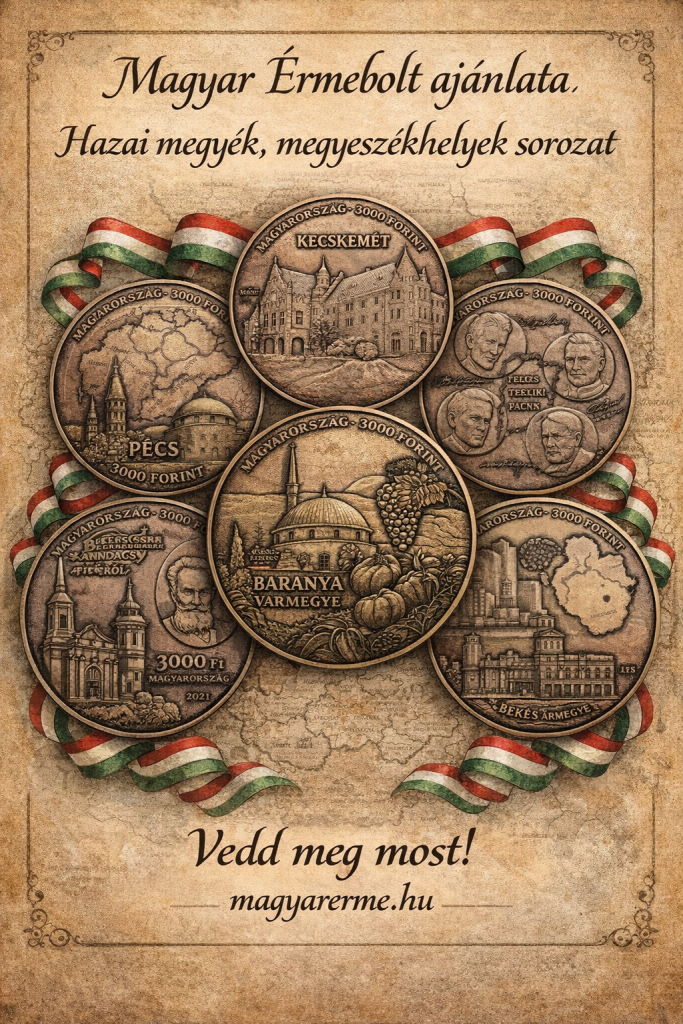
Hazai megyék, vármegyék érme sorozat magyarerme.hu
What can you pass on?
Perhaps this is one of the most important questions, because a nation is not only its past. A nation is also its present and its future. You are part of it, too.
When you teach your child Hungarian history, you are passing something on. When you preserve your family stories, you are passing something on. When you speak Hungarian with your child or grandchild, you are passing something on. When you teach them to value hard work, help others, respect older people, and love their homeland, you are passing something on.
You do not have to think about great deeds. The future of a nation is often built through the small things we do every day.
A family conversation.
The telling of an old story.
Reading a Hungarian poem aloud.
Sharing the new bread.
Preserving the memory of a grandparent.
Putting a Hungarian book into a child’s hands.
August 20 – A Celebration that includes you
When you look up at the sky on August 20 and see the lights, do not see only the fireworks. Think also about the long journey this country and the Hungarian people have made.
Think about those who lived before us, those who worked, built, fought, suffered, loved, and raised families.
Think about your parents and grandparents. Think about your children and grandchildren. And think about yourself, too.
You are also part of this story. You may never appear in history books, but what you give to your family, your community, and the next generation matters.
That is why August 20 can be remembrance, gratitude, pride, and hope all at once.
Remembrance of where we came from.
Gratitude for what we have.
Pride in what our ancestors created.
And hope that we will have something worth passing on.
Because a country does not survive simply by remembering its past. It also survives because every generation adds something to its future.
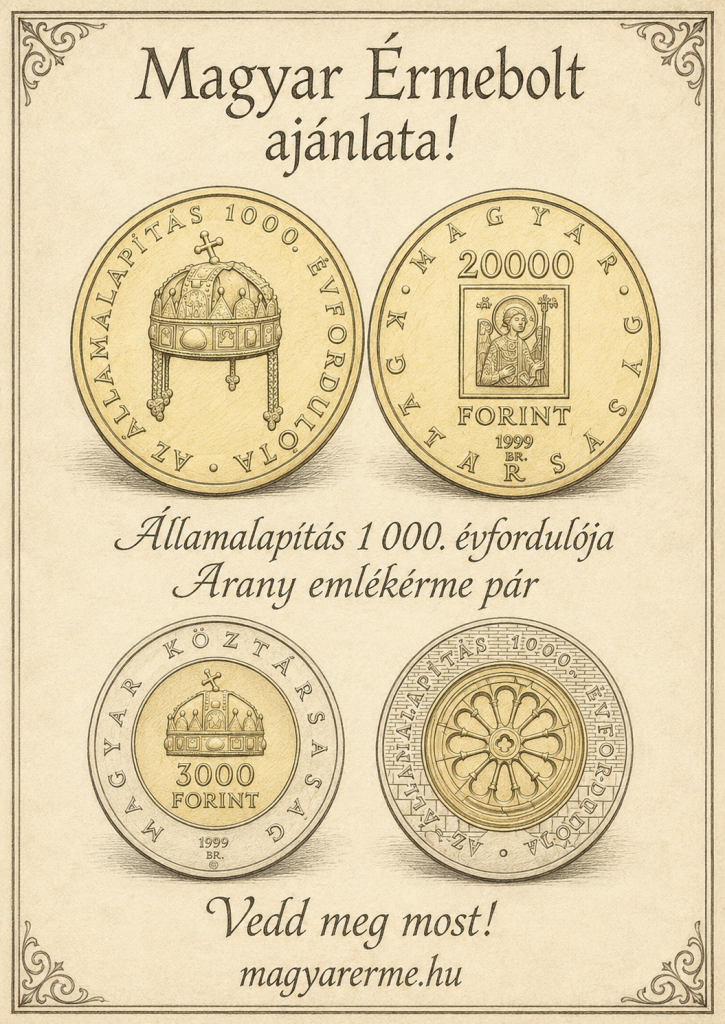
Államalapítás 1 000. évfordulója magyarerme.hu
Concrete Examples of How You Can Experience August 20
• Talk with your family: ask your parents or grandparents how they used to celebrate August 20.
• Tell your children about Saint Stephen: do not teach them only dates, but explain why the founding of the state was important.
• Display the Hungarian flag: even a small gesture can express that this celebration matters to you.
• Bake or share the new bread together: talk to your children about where the bread on the table comes from.
• Watch a Hungarian historical film or read a Hungarian story: this can make the past feel like a living story rather than dry school material.
• Preserve a family story: ask older family members about the past and write down what they tell you.
• Attend a local celebration: you do not necessarily have to travel to Budapest to experience the atmosphere of the holiday.
• If you watch the fireworks, pause for a moment: do not just look at the lights. Think about what home and Hungary mean to you.
• Teach the next generation what you consider important: because what we fail to pass on can easily disappear one day.
When you share the new bread on August 20, perhaps remember one simple thought, “We have a past, we have a present, and the future also depends on us.”
That is why August 20 is not just a date on the calendar, this day is about every Hungarian, wherever life may have taken them.
💎 Written by József Nyitrai 20.08.2026
💎 image: Mi
💎 impulz.hu 🇭🇺
Vak Szín – Ülj egy kicsit közelebb – ének Nyitrai Attila