„Nem az idő hiányzik az életünkből, hanem a döntés, hogy kire és mire szánjuk. Te döntöd el, hogy számodra mi a fontos és mi az ami értékes időtöltés” /Nyitrai/

„Nekem sok a dolgom, nem érek rá!”
A mondat, amit sokszor hallunk és ami mindent elfed
Ismerős kifogás, amely szinte észrevétlenül vált a mindennapjaink részévé. Gyerekeinktől halljuk, barátainktól, kollégáinktól, sőt gyakran mi magunk is ezzel zárunk le beszélgetéseket, meghívásokat, kapcsolatokat. De vajon valóban az idő hiányzik, vagy inkább a figyelem és a prioritás?
A „nem érek rá” sokszor nem a teendők valós súlyát tükrözi, hanem azt, hogy túlterheltek vagyunk, szétszórtak, vagy egyszerűen nem tanultuk meg jól beosztani az időnket. A digitális világ folyamatos jelenléte, az állandó elérhetőség és az elvárások sokasága azt az érzetet kelti, hogy mindig rohannunk kell, még akkor is, ha valójában nem haladunk sehová. Így válik az időhiány kényelmes válasszá mindenre, amit halogatunk vagy amivel nem akarunk szembenézni.
Pedig az idő nemcsak elfogy, hanem tükröt is tart. Megmutatja, mi az, ami igazán fontos számunkra. Amire időt szánunk, azt értékesnek tartjuk. A kérdés tehát nem az, hogy van-e időnk, hanem az, hogy mire vagyunk hajlandók időt adni. Ha ezt felismerjük, talán ritkábban mondjuk majd: „nem érek rá”, és gyakrabban azt: „most ez fontos nekem”.

Kínai gyógynövények – A természet gyógyító ereje! Érdekel >>
Az idő nem ellenség, hanem tükör
Mindenre van időnk, amire időt akarunk szánni. Ez a mondat egyszerűnek tűnik, mégis kényelmetlen igazságot hordoz. Az idő nem fogy el magától, csak eloszlik, pontosan aszerint, ahogyan döntünk. Valójában nem az idő hiányzik az életünkből, hanem a tudatos választás.
Az idő nem ellenségünk, hanem tükör. Megmutatja, mi kap valódi helyet a mindennapjainkban. Amit folyton halogatunk, az gyakran nem azért marad el, mert nincs rá időnk, hanem mert nem merjük kimondani: most nem elég fontos, vagy épp ellenkezőleg, túl fontos, és félünk szembenézni vele.
Közben észrevétlenül dolgoznak a láthatatlan időrablók. A céltalan görgetés, az állandó reagálási kényszer, a folyamatos készenlét mások elvárásaira. Apró perceknek tűnnek, mégis órákat, figyelmet és energiát vesznek el tőlünk. Nem az a baj, hogy pihenünk, hanem az, hogy sokszor észre sem vesszük, mire megy el az időnk.
Fontos felismerés az is, hogy példát mutatunk. A gyerekeink nem azt tanulják meg, amit az időről mondunk nekik, hanem azt, ahogyan bánunk vele. Ha mindig rohanunk, ők is rohanást tanulnak. Ha soha nem vagyunk igazán jelen, ők sem a jelenlétet viszik tovább. Az időkezelésünk csendes nevelés.
Nem kell mindent egyszerre megváltoztatni. Néha elég egyetlen döntés egy nap során. Egy beszélgetés, amit nem szakítunk félbe. Egy séta, amit nem sietünk végig járni. Egy pillanat, amikor nem tovább lépünk, hanem maradunk. Ezekből épül fel az élet minősége.
Mert végső soron mindenre van időnk, amire időt akarunk szánni. A kérdés nem az, hogy belefér-e, hanem az, hogy merjük-e fontosnak választani.

100 forintos forgalmi érme emlékváltozatai magyarerme.hu
„Nincs időm, más dolgom van”
Amikor az idő már nem ad második esélyt
Ezt a mondatot sok szülő hallja fájó rendszerességgel a gyerekeitől. Gyakran nem valódi elfoglaltság áll mögötte, hanem a képernyő, a mobil, a közösségi oldalak világa, ahol mindig történik valami „fontosabb”. Egy poszt, egy komment, egy értesítés könnyen előrébb kerül, mint egy telefonhívás azokhoz, akik felneveltek bennünket.
Az idő azonban nem áll meg. Csendben múlik, miközben halogatjuk a hívást, elnapoljuk a látogatást, és megnyugtatjuk magunkat azzal, hogy „majd később”. Csakhogy eljön az a pillanat, amikor már nincs kit felhívni. Akkor hirtelen lenne idő, lenne mondanivaló, lennének kérdések, de már nem lehet elmondani őket.
Ez a felismerés nem vád, hanem figyelmeztetés. Az idő, amit ma nem adunk meg a szüleinknek, holnap hiányként tér vissza. Egy beszélgetés, egy érdeklődő hívás, néhány perc valódi figyelem ma még lehetséges. Holnap talán már csak emlék marad. És akkor fájdalmasan világossá válik: nem az idő hiányzott, hanem a döntés, hogy kinek adjuk.

Magyarország új alaptörvénye blokk
Vedd meg most! magyarbelyeg.hu
A csendes szülői fájdalom, amiről ritkán beszélünk
„a csendes fájdalom ritkán hangos, lassan tanítja meg az embert, hogy milyen nehéz úgy szeretni, hogy közben láthatatlanná válik” /Nyitrai/
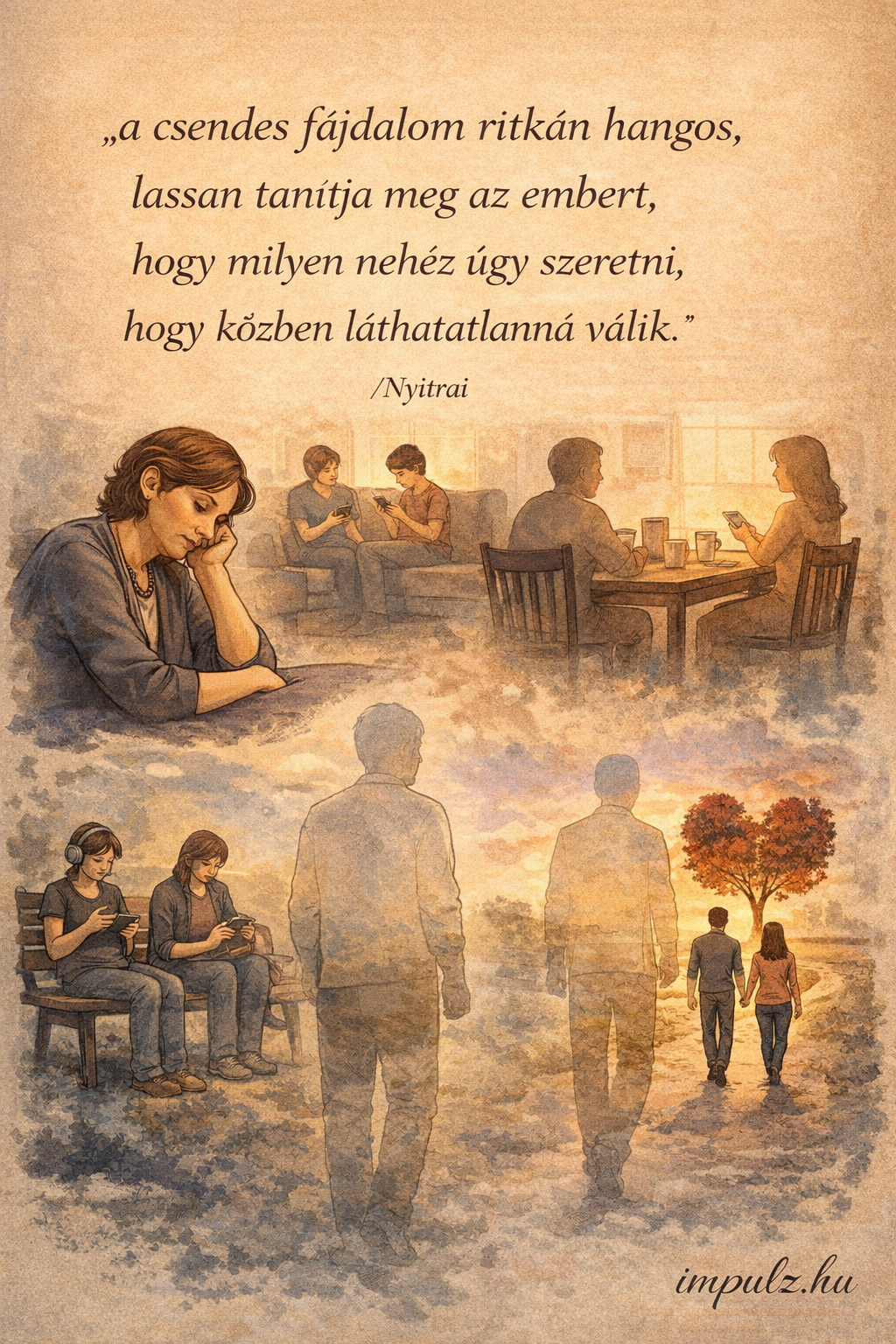
Sok szülő nem mer szólni, nem kér, nem jelez. Fél attól, hogy ha hangot ad a hiányérzetének, azt a kevés időt is elveszíti, ami eddig jutott neki. Inkább hallgat, megértőnek mutatkozik, miközben belül mélyen fáj, hogy nem keresik, nem kérdeznek, nem kíváncsiak rá a gyerekei.
Ez a csendes fájdalom ritkán hangos, mégis nap mint nap jelen van, és lassan tanítja meg, milyen nehéz úgy szeretni, hogy közben láthatatlanná válunk.
💎irta: Nyitrai József 2026.03.01.
💎 impulz.hu
„What’s missing from our lives is not time, but the decision of who and what we give it to. You decide what matters to you and what is truly worth your time.”
/Nyitrai/
„I have a lot to do, I don’t have time!”
The sentence we hear so often, and that hides everything
It’s a familiar excuse that has quietly become part of our everyday lives. We hear it from our children, our friends, our colleagues, and often we ourselves use it to close conversations, invitations, even relationships. But is it really time that’s missing, or rather attention and priorities?
„I don’t have time” often doesn’t reflect the real weight of our tasks, but instead shows how overloaded we are, how scattered, or how we simply never learned to manage our time well. The constant presence of the digital world, permanent availability, and endless expectations create the feeling that we must always be rushing, even when we’re not truly moving forward. This is how lack of time becomes a convenient answer to everything we postpone or avoid facing.
Yet time doesn’t only run out, it also holds up a mirror. It shows us what truly matters to us. What we give time to, we consider valuable. So the real question isn’t whether we have time, but what we are willing to give time to. If we recognize this, perhaps we’ll say “I don’t have time” less often, and “this is important to me right now” more often.
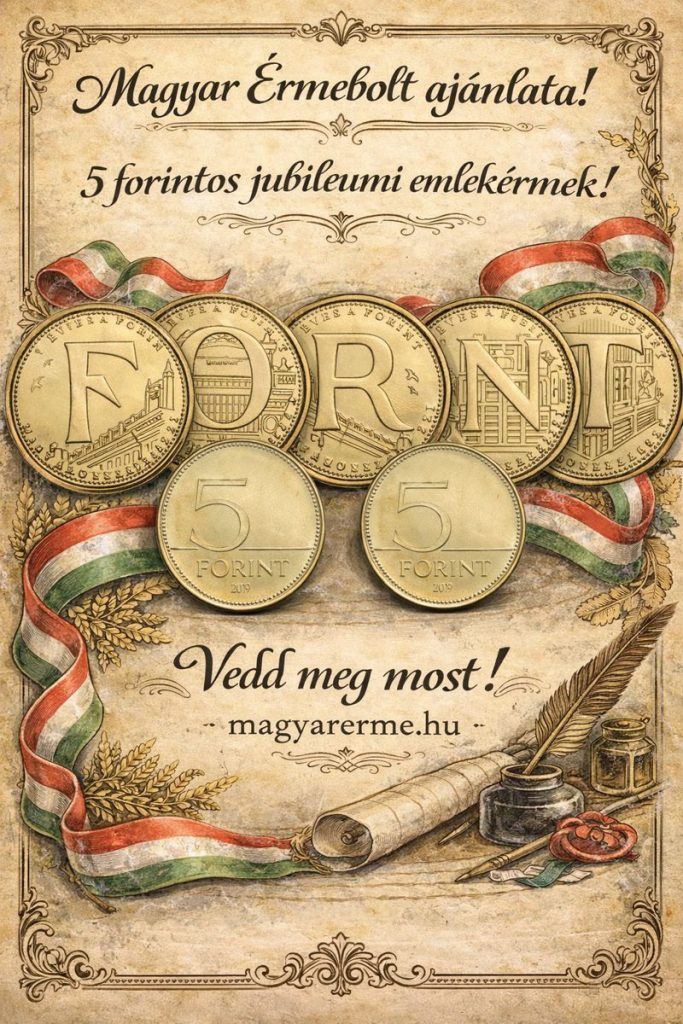
5 forintos forgalmi érme emlékváltozatai magyarerme.hu
Time is not an enemy, but a mirror
We have time for everything we choose to make time for. This sentence sounds simple, yet it carries an uncomfortable truth. Time doesn’t disappear on its own, it is distributed, exactly according to our decisions. In reality, what’s missing from our lives is not time, but conscious choice.
Time is not our enemy, but a mirror. It shows what truly has a place in our daily lives. What we keep postponing often isn’t delayed because we lack time, but because we don’t dare to say: it’s not important enough right now, or on the contrary, it’s too important, and we’re afraid to face it.
Meanwhile, invisible time thieves work quietly in the background. Mindless scrolling, the constant pressure to respond, the ongoing readiness to meet others’ expectations. They seem like small moments, yet they take hours, attention, and energy from us. The problem isn’t that we rest, but that we often don’t even notice where our time goes.
Another important realization is that we set an example. Our children don’t learn what we say about time; they learn how we use it. If we’re always rushing, they learn to rush. If we’re never truly present, they won’t carry presence forward either. The way we handle time is silent education.
We don’t have to change everything at once. Sometimes a single decision in a day is enough. A conversation we don’t interrupt. A walk we don’t rush through. A moment when we don’t move on, but stay. The quality of life is built from these moments.
Because in the end, we have time for everything we choose to make time for. The question isn’t whether it fits, but whether we dare to choose it as important.
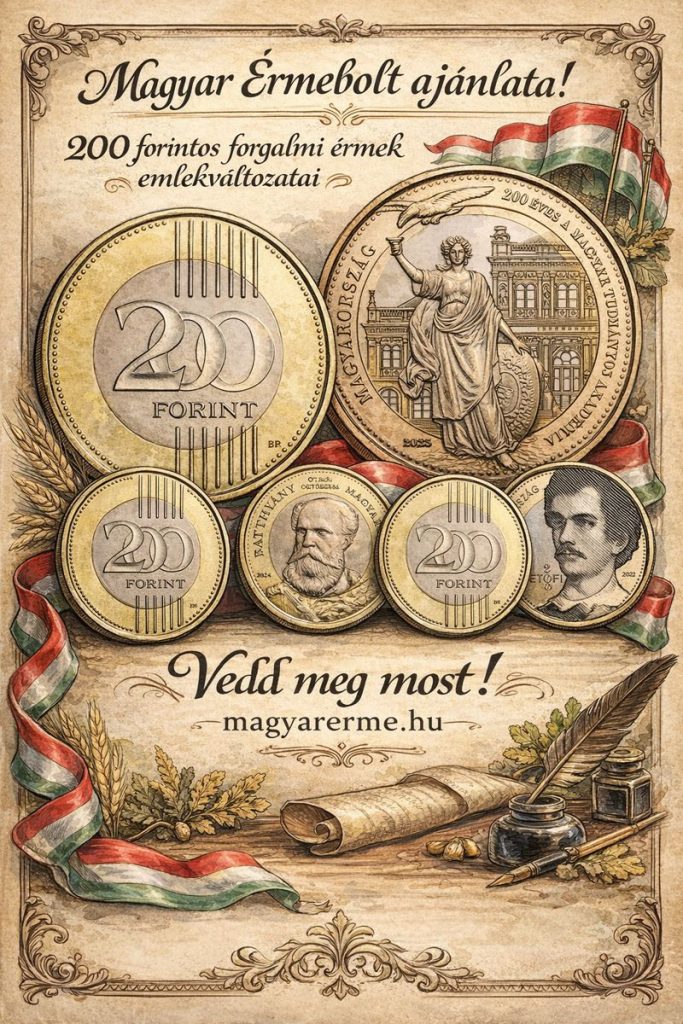
200 forintos forgalmi érmek emlékváltozatai magyarerme,hu
„I don’t have time, I have other things to do”
When time no longer gives a second chance
Many parents hear this sentence with painful regularity from their children. Often it’s not real busyness behind it, but the screen, the phone, social media, where something “more important” is always happening. A post, a comment, a notification easily comes before a phone call to those who raised us.
But time doesn’t stop. It passes quietly while we postpone the call, delay the visit, and reassure ourselves with “later.” Until the moment comes when there is no one left to call. Suddenly there would be time, there would be things to say, questions to ask, but it’s no longer possible.
This realization is not an accusation, but a warning. The time we don’t give our parents today returns tomorrow as absence. A conversation, a caring call, a few minutes of genuine attention are still possible today. Tomorrow, they may be only memories. And then it becomes painfully clear: it wasn’t time that was missing, but the decision of who we chose to give it to.
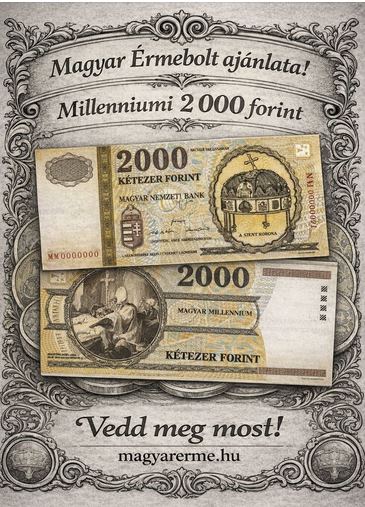
Millenniumi 2 000 forint bankjegy!
Vedd meg most! magyarerme.hu
The silent pain of parents we rarely talk about
„silent pain is rarely loud; it slowly teaches us how hard it is to love while becoming invisible at the same time.” /Nyitrai/
Many parents don’t dare to speak up, don’t ask, don’t express their feelings. They fear that if they give voice to their sense of absence, they might lose even the little time that is still given to them. So they choose silence, try to appear understanding, while deep inside it hurts that their children don’t reach out, don’t ask questions, aren’t curious about them.
This silent pain is rarely loud, yet it is present day after day, slowly teaching how difficult it is to love while becoming invisible at the same time.
💎 Written by: József Nyitrai · 01.03.2026
💎 impulz.hu