Önbizalom, az erő, amit nem kaphatsz kölcsön, csak magadban építhetsz fel
Miről olvashatsz a cikkben?
Megismerheted, hogyan építheted fel lépésről lépésre az önbizalmadat.
Megtudhatod, hogyan erősítheted gyermekedben az önmagába vetett hitet.
Szó lesz a hibák, a kudarcok és a mások véleményétől való félelem kezeléséről.
Tippeket kapsz ahhoz, hogyan beszélj magaddal elfogadóbban és bátrabban.
Konkrét, hétköznapi példák segítenek abban, hogy magabiztosabban állj ki önmagadért.
Miért olyan fontos az önbizalom?
Miért olyan fontos az önbizalom építése már kisgyermekkorban?

Nem az számít, mit gondolnak rólad mások, hanem hogy te mit gondolsz saját magadról
Van az a pillanat, amikor ott állsz egy helyzet előtt, és pontosan tudod, mit szeretnél mondani vagy tenni, mégis visszalépsz egyet.
Jön egy furcsa érzés
„Talán nem vagyok elég jó.”
„Biztos mások ügyesebbek nálam.”
„Mi van, ha kinevetnek?”
„Mi van, ha elrontom?”
Ismerős érzés?
Talán gyerekként kezdődött. Egy mondattal, amit valaki akkor mondott neked, amikor még nem tudtad megvédeni magad. Lehetett egy tanár, egy szülő, egy testvér, egy barát vagy akár egy teljesen jelentéktelennek tűnő megjegyzés.
„Ebből úgysem lesz semmi.”
„Te ezt nem tudod megcsinálni.”
„Nézd meg a többieket, ők bezzeg…”
Ezek a mondatok azonban néha sokkal tovább velünk maradnak, mint ahogy azt bárki gondolná. Felnőttként pedig már nem feltétlenül más mondja őket, néha te mondod saját magadnak.
Éppen itt kezdődik az önbizalom egyik legfontosabb kérdése! Hogyan beszélsz önmagaddal akkor, amikor senki más nem hallja? Milyen gondolatok járnak az eszedbe?
Mert lehet, hogy kívülről erősnek látszol. Dolgozol, intézed az ügyeidet, gondoskodsz másokról, megoldod a problémákat, mosolyogsz, amikor kell és azt mondod, „Megoldom.” Közben pedig belül ott lehet egy bizonytalan hang, amely folyton megkérdőjelez, ez a hang azonban nem a valódi értéked. Ami talán még fontosabb: nem kell egész életedben hallgatnod rá.

2011 A Visegrádi Csoport alapításának 20. Évfordulója
bélyeg ív szett! Vedd meg most! magyarbelyeg.hu >>
Az önbizalom nem azt jelenti, hogy soha nem félsz
Sokan azt hiszik, az igazán magabiztos ember, soha nem bizonytalan, ez nem így van. A magabiztos ember is izgulhat, félhet a hibától, lehet rossz napja. Elbizonytalanodhat, lehet olyan helyzet, amikor ő sem tudja pontosan, mi lenne a jó döntés. A különbség inkább az, hogy nem engedi, hogy egyetlen bizonytalan pillanat meghatározza az egész személyiségét.
Nem azt mondja, félek, tehát gyenge vagyok, hanem inkább, félek, de megpróbálom, csak ennyi a különbség.
Az önbizalom nem hangos bizonygatás, nem az, hogy mindig neked kell a leghangosabbnak lenned. Nem az, hogy minden vitában neked kell győznöd, nem az, hogy soha nem kérsz segítséget. Az igazi belső erő sokszor egészen csendes.
Ott van abban, amikor ki mered mondani, nem tudom, ezt most elrontottam. Segítségre van szükségem, vagy nem értek egyet, ezt most nem szeretném. Megpróbálom akkor is, ha nem vagyok biztos a sikerben, ez már valódi erő.
Gyermekkorban kezdődik, de felnőttként is újraépíthető
Egy gyermek számára a körülötte élő felnőttek szavai különösen fontosak, a gyermek még tanulja, hogyan lássa saját magát.
Ha gyakran azt hallja: „Ügyetlen vagy!”, „Már megint elrontottad!”, „Miért nem tudsz olyan lenni, mint a testvéred?” akkor könnyen kialakulhat benne az érzés, hogy vele van baj.
Lehet, hogy évekkel később már senki nem mondja neki ezeket, mégis tovább érzi, mondja saját magának. Ezért nem mindegy, hogyan beszélsz egy gyermekkel. Nem az a cél, hogy mindenért megdicsérd, nem kell azt mondanod, hogy minden csodálatos, amit csinál, sokkal többet ér, ha észreveszed az erőfeszítését.
„Látom, mennyit dolgoztál vele.”
„Most nem sikerült, de próbáljuk meg még egyszer.”
„Tetszik, hogy nem adtad fel.”
„Te hogyan oldanád meg?”
Ezekkel nem csupán dicséretet adsz neki, nagyban növeled az önbizalmát.
Azt üzened, képes vagy gondolkodni, próbálkozni, hibázni és újrakezdeni, ez sokkal értékesebb, mint az, hogy mindig minden sikerüljön.

Vedd meg most, a Mohácsi busójárás ezüst érmet! magyarerme.hu
A hibád nem te vagy
Talán az egyik legfontosabb mondat, amit magadnak is mondhatsz:
Ha hibáztál a munkahelyeden, attól még nem vagy alkalmatlan.
Ha rossz döntést hoztál, attól még nem vagy rossz ember.
Ha valaki visszautasított, attól még nem vagy értéktelen.
Ha valami nem sikerült elsőre, attól még nem vagy kudarc.
Csak történt valami és abból lehet tanulni.
Gondolj bele, amikor egy kisgyermek megtanul járni, hányszor esik el?
Nem áll fel az első esés után úgy, hogy, én ehhez nem értek, újra feláll, megpróbálja, elesik és újra feláll. Te is valamikor ugyanilyen voltál, csak felnőttként már sokszor jobban félsz attól, hogy mások meglátják az esésedet.
Ne másokhoz mérd magad
Az összehasonlítás az önbizalom egyik legnagyobb ellensége lehet.
Megnézed a másikat.
Szebbnek látod.
Sikeresebbnek.
Gazdagabbnak.
Magabiztosabbnak.
Boldogabbnak.
És közben elfelejted, hogy te az ő kirakatát hasonlítod össze a saját magaddal. Nem látod, hány álmatlan éjszakája volt, nem tudod, mitől fél, nem ismered a történetét. Nem tudod, milyen árat fizetett azért, ami kívülről olyan szépnek, jónak tűnik.
Ezért sokkal igazságosabb, ha nem azt kérdezed, miért nem vagyok olyan, mint ő? Hanem ezt, ma miben tudok egy kicsivel jobb lenni, mint tegnap voltam? Nem kell minden nap nagyot változtatnod, néha egyetlen apró lépés is elég.

Vedd meg most, a 200 forintos forgalmi érmek emlékváltozatait! magyarerme,hu
Az önbizalom apró sikerekből épül
Ha szeretnéd erősíteni az önmagadba vetett hitedet, ne rögtön óriási célokat akarj teljesíteni. Kezdd kicsiben, tegyél meg valamit, amit régóta halogatsz, mondj ki egy mondatot, amit eddig nem mertél. Tanulj meg valami újat, mozdulj ki a megszokottból. Vállalj el egy feladatot, ha hibázol, ne támadd magad.
Mondd inkább, rendben, nem sikerült, figyelj arra, hogy mit tanulhatsz belőle. Minden egyes alkalom, amikor megteszel valamit, amiről korábban azt hitted, hogy nem vagy rá képes, hozzáad egy újabb darabot a belső erődhöz.
Így épül fel, lassan, néha észrevétlenül, de stabil, valódi alapokra épül az önbizalmad.
Mi történik, ha valaki folyamatosan lehúz?
Azt sem szabad figyelmen kívül hagynod, ha valaki folyamatosan lehúz, elszívja az összes energiádat. Ha valaki állandóan kritizál, megaláz, kinevet, semmibe vesz, vagy azt érezteti veled, hogy nélküle semmire sem mész, egy idő után elkezdheted elhinni.
Ezért fontos megtanulnod határokat húzni, nem kell mindenkinek megfelelned, nem kell mindenkit meggyőznöd, nem kell minden kritikára válaszolnod és nem kell magyarázkodnod azért, mert van saját véleményed.
Mondhatod, értem, hogy te így gondolod, én azonban másképp látom. Vagy egyszerűen, ezt most nem szeretném folytatni. Ez nem arrogancia, ez önbecsülés.

Vedd meg most, a 100 forintos forgalmi érme emlékváltozatait! magyarerme.hu
Felnőttként is megengedheted magadnak az újrakezdést
Lehet, hogy hosszú éveken át háttérbe szorítottad magad, másokat segítettél, másokért dolgoztál, mások problémáit oldottad meg. Közben pedig saját vágyaidat mindig későbbre hagytad. Majd egyszer, most nincs rá idő, majd ha a gyerekek nagyobbak lesznek, majd ha kevesebb lesz a munka, majd ha minden rendben lesz.
Csakhogy az élet nem mindig lesz tökéletesen rendezett, ezért néha neked kell kimondanod, most már én is számítok. Nem önzés, nem mások elhanyagolása, hanem annak felismerése, hogy te is fontos vagy.
Hogyan beszélj önmagaddal?
Figyeld meg a saját belső mondataidat. Amikor valami nem sikerül, mit mondasz magadnak? Milyen hülye vagyok! Nekem ez soha nem megy, vagy én már ehhez öreg vagyok, mások ezt sokkal jobban csinálják.
Próbáld meg átfordítani, most nem sikerült, de tanulhatok belőle. Még nem tudom, de megtanulhatom, vagy nem kell tökéletesnek lennem, a tapasztalatom is érték, megpróbálom megint. Meg tudom csinálni! Tudnod kell ez nem üres pozitív beszéd, ez annak a gyakorlása, hogy ne saját magad legyél a legszigorúbb ellenséged.
Mit taníts meg a gyermekednek és mit taníts meg saját magadnak?
Ne azt, hogy mindig nyernie kell, hanem azt, hogy fel tudjon állni, ha nem sikerül elsőre. Ne azt, hogy soha nem hibázhat, hanem azt, hogy tanuljunk a hibáinkból és a hiba után lehet javítani. Ne azt, hogy mindenkinek tetszenie kell, hanem azt, hogy lehet önmaga. Ne azt, hogy mindig erősnek kell látszania, hanem azt, hogy segítséget is kérhet és ugyanezt neked is meg kell tanulnod.
Mert lehet, hogy felnőttként már nem egy szülő, tanár, vagy más ember szavai tartanak vissza, hanem egyszerűen a régi szokásokat, mondatokat hordozod magaddal. De amit egyszer megtanultál, azt újra is tanulhatod.

Vedd meg most, az 50 forintos forgalmi érme emlékváltozatait! magyarerme.hu
Konkrét példák a mindennapokra
Ha félsz megszólalni egy társaságban, ne az legyen a célod, hogy mindenki figyeljen rád. Elég, ha egyszer hozzászólsz. Ha új munkát szeretnél, ne azt mondd, úgysem engem választanak, mondd, hogy elküldöm a jelentkezésemet és majd kiderül, talán sikerül.
Ha valaki kritizál, ne automatikusan hidd el, hogy igaza van, kérdezd meg magadtól, van ebben valami, amit érdemes megfogadnom. Ha hibáztál, ne nevezd magad szerencsétlennek vagy alkalmatlannak, ne a személyedet támadd, hanem nézd meg magát a hibát.
Ha gyermeked rossz jegyet kap, ne azt mondd, te semmire sem figyelsz, hanem azt, hogy nézzük meg együtt, mi okozta a nehézséget. Próbáljuk megoldani együtt.
Ha valaki nemet mond neked, ne rögtön azt gondold, nem vagyok elég jó, lehet, hogy egyszerűen másra vágyik. Ha új dolgot szeretnél megtanulni, engedd meg magadnak, hogy kezdő legyél. Ha régóta halogatsz valamit, tegyél meg ma belőle egyetlen apró lépést. Ha mindig mások véleménye alapján döntesz, próbálj meg egy kisebb kérdésben csak a saját megérzésedre hallgatni. Ha állandóan másokhoz méred magad, egy napig próbáld meg teljesen elhagyni az összehasonlítást. Ha úgy érzed, semmit sem csináltál jól, este írj le három dolgot, amit mégis megtettél aznap.
Lehet egészen egyszerű, felkeltem, pedig nehéz napom volt. Elintéztem, amit kellett, segítettem valakinek, nem adtam fel, ma végre megtettem valamit magamért.
Az önbizalom nem egyik napról a másikra jelenik meg, fejlesztened kell. Minden alkalommal egy kicsit erősebb lesz, amikor nem fordulsz el saját magadtól.
Egyszer eljön az a pillanat, amikor már nem azt kérdezed, vajon elég jó vagyok másoknak. Hanem egyszerűen ezt mondod, „Tudom, ki vagyok. Tudom, hogy vannak hibáim. Tudom, hogy nem vagyok tökéletes. De értékes vagyok és hiszek magamban.”
Ez az a belső erő, amit senki nem adhat neked ajándékba, de senki nem is veheti el tőled, ha megtanulod saját magadban felépíteni.

2016. Magyarország új alaptörvénye – Felülnyomott blokk
Vedd meg most! magyarbelyeg.hu
Miért olyan fontos az önbizalom építése már kisgyermekkorban?
A kisgyermek még tanulja, hogy mire képes, miben ügyes, és hogyan tud megbirkózni a nehézségekkel.
Ha azt érzi, hogy hisznek benne, bátrabban próbálkozik, kérdez, felfedez és új dolgokba is belevág.
A hibáktól sem fog annyira félni, mert megtanulja, hogy egy sikertelen próbálkozás nem azt jelenti, hogy ő kevés vagy ügyetlen.
A szeretetteljes biztatás segít neki abban, hogy kialakuljon benne az érzés: „képes vagyok rá, meg tudom próbálni.”
Ez a belső hit később is vele maradhat, és fontos kapaszkodót adhat az iskolában, a baráti kapcsolatokban, a munkában és az élet sok más területén.
Miért olyan fontos az önbizalom?
Az önbizalom segít abban, hogy higgy a saját képességeidben, és bátrabban hozd meg a döntéseidet.
Erőt ad, amikor nehéz helyzetekkel, hibákkal vagy kudarcokkal találkozol.
Segít abban is, hogy ne mások véleménye határozza meg, mennyire tartod értékesnek magad.
A gyermekeknél megalapozhatja a bátorságot, a kíváncsiságot és az egészséges önállóságot.
Felnőttként pedig segít kiállni magadért, új dolgokba belevágni, és akkor is továbbmenni, amikor éppen bizonytalan vagy.
💎 írta, Nyitrai József 2026.08.13.
💎impulz.hu
Self confidence, the strength you cannot borrow, but can build within yourself and your child
What can you read about in the article?
You can learn how to build your self-confidence step by step.
You will discover how to strengthen your child’s belief in themselves.
We will discuss how to deal with mistakes, failures, and the fear of other people’s opinions.
You will get tips on how to talk to yourself with greater acceptance and courage.
Concrete, everyday examples will help you stand up for yourself with greater confidence.
Why is self-confidence so important?
Why is it so important to build self-confidence from early childhood?
Self confidence, the strength you cannot borrow, you can only build within yourself
What matters is not what others think of you, but what you think about yourself
There is a moment when you are standing in front of a situation, and you know exactly what you want to say or do, yet you take one step back.
A strange feeling comes over you
“Maybe I’m not good enough.”
“Others are probably better than me.”
“What if they laugh at me?”
“What if I get it wrong?”
Does that feeling sound familiar?
Perhaps it started in childhood. With a sentence someone said to you when you were still too young to defend yourself. It may have been a teacher, a parent, a sibling, a friend, or even a seemingly insignificant remark.
“Nothing will ever come of you.”
“You can’t do this.”
“Look at the others, they can do it…”
Yet these sentences sometimes stay with us far longer than anyone could imagine. And as an adult, it is not necessarily someone else saying them anymore. Sometimes, you are the one saying them to yourself.
This is where one of the most important questions about self-confidence begins! How do you talk to yourself when no one else can hear you? What thoughts are going through your mind?
Because you may look strong from the outside. You work, take care of your responsibilities, look after others, solve problems, smile when necessary, and say, “I’ll handle it.” Meanwhile, inside, there may be an uncertain voice that constantly questions you. But that voice does not define your true worth. What is perhaps even more important: you do not have to listen to it for the rest of your life.
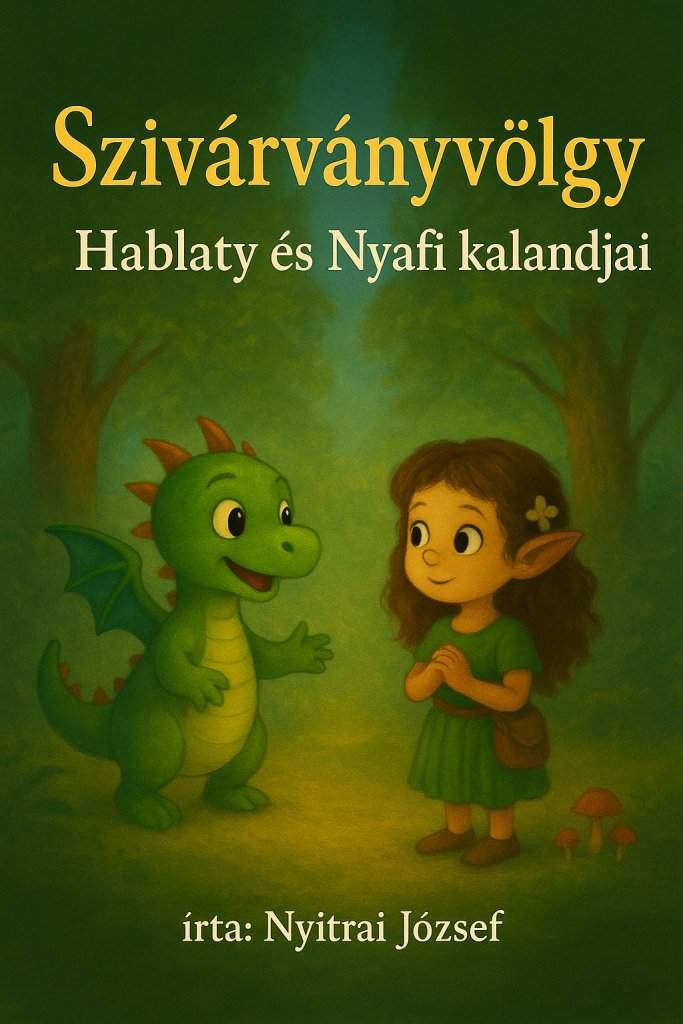
Olvass fel gyermekeidnek, a mese sorozatomból!
30 ingyenes, online mese! Szivárványvölgy meséi >>
Self-confidence does not mean that you are never afraid
Many people believe that a truly confident person is never uncertain. That is not the case. A confident person can also feel nervous, be afraid of making mistakes, or have a bad day. They can become uncertain, and there may be situations when they themselves do not know exactly what the right decision would be. The difference is rather that they do not allow a single uncertain moment to define their entire personality.
They do not say, I am afraid, therefore I am weak. Instead, they say, I am afraid, but I will try anyway. That is the only difference.
Self-confidence is not about loudly proving yourself, nor does it mean that you always have to be the loudest person in the room. It does not mean that you have to win every argument, or that you should never ask for help. True inner strength is often very quiet.
It is there when you dare to say, I don’t know, I made a mistake this time. I need help. Or, I disagree, I don’t want this right now. I will try even if I am not sure I will succeed. That is real strength.

Vedd meg most, a 2026. évi Aranyforint PP forgalmi sort! magyarerme.hu
It begins in childhood, but it can be rebuilt as an adult
For a child, the words of the adults around them are especially important because the child is still learning how to see themselves.
If they often hear: “You are so clumsy!”, “You messed it up again!”, “Why can’t you be more like your brother or sister?” they can easily develop the feeling that there is something wrong with them.
Years later, perhaps no one says these things to them anymore, yet they may still carry those feelings and repeat those words to themselves. That is why the way you speak to a child matters so much. The goal is not to praise them for everything, and you do not have to tell them that everything they do is wonderful. It is much more valuable when you notice their effort.
“I can see how much work you put into this.”
“It didn’t work this time, but let’s try again.”
“I like that you didn’t give up.”
“How would you solve it?”
With these words, you are not simply giving praise; you are greatly strengthening their self-confidence.
You are telling them that they are capable of thinking, trying, making mistakes, and starting again. That is far more valuable than always getting everything right.
Your mistake is not who you are
Perhaps one of the most important sentences you can say to yourself is this:
If you made a mistake at work, that does not mean you are incompetent.
If you made a bad decision, that does not make you a bad person.
If someone rejected you, that does not mean you are worthless.
If something did not work out the first time, that does not make you a failure.
Something simply happened, and you can learn from it.
Think about it: when a small child learns to walk, how many times do they fall?
They do not get up after the first fall and say, “I’m no good at this.” They get up, try again, fall down, and get up again. You were once exactly the same, only as an adult, you are often more afraid that other people will see you fall.

Eredeti MNB rolnik nagy választékban! magyarerme.hu
Don’t compare yourself to others
Comparison can be one of the greatest enemies of self-confidence.
You look at someone else.
You see them as more beautiful.
More successful.
Richer.
More confident.
Happier.
And in the meantime, you forget that you are comparing their shop window to your own life. You do not see how many sleepless nights they have had, you do not know what they are afraid of, and you do not know their story. You do not know what price they have paid for something that looks so beautiful and good from the outside.
That is why it is much fairer not to ask yourself, why am I not like them? Instead, ask yourself this: what can I do a little better today than I did yesterday? You do not have to make a huge change every day. Sometimes a single small step is enough.
Self-confidence is built from small successes
If you want to strengthen your belief in yourself, do not immediately try to achieve huge goals. Start small. Do something you have been putting off for a long time. Say something you have not dared to say before. Learn something new. Step outside your comfort zone. Take on a task, and if you make a mistake, do not attack yourself for it.
Instead, tell yourself, all right, it didn’t work this time. Pay attention to what you can learn from it. Every time you do something you once believed you were incapable of doing, you add another piece to your inner strength.
That is how it grows, slowly, sometimes almost unnoticed, but your self-confidence is built on stable, genuine foundations.

Államalapítás 1 000. évfordulója magyarerme.hu
What happens when someone constantly puts you down?
You should not ignore it when someone constantly puts you down and drains all your energy. If someone continually criticizes, humiliates, laughs at you, dismisses you, or makes you feel that you are incapable of achieving anything without them, after a while, you may start to believe it.
That is why it is important to learn to set boundaries. You do not have to please everyone. You do not have to convince everyone. You do not have to respond to every criticism, and you do not have to explain yourself simply because you have your own opinion.
You can say, I understand that this is how you see it, but I see it differently. Or simply, I do not want to continue this conversation right now. This is not arrogance. This is self-respect.
As an adult, you are also allowed to start over
Perhaps you have pushed yourself into the background for many years. You helped others, worked for others, solved other people’s problems. Meanwhile, you always postponed your own desires. Maybe someday. There is no time now. Maybe when the children are older. Maybe when there is less work. Maybe when everything is finally in order.
But life will not always be perfectly organized. Sometimes you have to say, now I matter too. This is not selfishness and it does not mean neglecting others. It means recognizing that you are important too.

Hazai megyék, vármegyék érme sorozat magyarerme.hu
How should you talk to yourself?
Pay attention to your own inner sentences. When something does not work out, what do you say to yourself? “How stupid am I!” “I’ll never be able to do this.” Or, “I’m already too old for this.” “Others can do this much better than I can.”
Try turning those thoughts around: “It didn’t work this time, but I can learn from it.” “I don’t know how yet, but I can learn.” “I don’t have to be perfect. My experience has value too.” “I’ll try again.” “I can do this!”
You need to understand that this is not empty positive talk. It is the practice of making sure that you are not your own harshest enemy.
What should you teach your child, and what should you teach yourself?
Not that they always have to win, but that they can get back up when they do not succeed the first time. Not that they must never make mistakes, but that we can learn from our mistakes and make things better afterwards. Not that everyone has to like them, but that they are allowed to be themselves. Not that they always have to appear strong, but that they can also ask for help, and you need to learn the same thing yourself.
Because perhaps as an adult, it is no longer a parent, teacher, or another person’s words that hold you back. Perhaps you are simply carrying old habits and old sentences with you.
But what you once learned, you can learn again in a new way.

Vedd meg most, az Arany János érme szettet! magyarerme.hu
Concrete examples for everyday life
If you are afraid to speak up in a group, your goal does not have to be getting everyone’s attention. It is enough to contribute to the conversation once. If you want a new job, do not tell yourself, “They will never choose me.” Instead, say, “I’ll send in my application, and we’ll see what happens. Maybe I’ll succeed.”
If someone criticizes you, do not automatically assume they are right. Ask yourself, is there something in what they said that is worth taking on board? If you made a mistake, do not call yourself useless or incompetent. Do not attack yourself as a person. Instead, look at the mistake itself.
If your child gets a bad grade, do not say, “You never pay attention.” Instead, say, “Let’s look at what caused the difficulty. Let’s try to solve it together.”
If someone says no to you, do not immediately think, “I’m not good enough.” They may simply want something different. If you want to learn something new, allow yourself to be a beginner. If you have been putting something off for a long time, take one small step toward it today. If you always make decisions based on other people’s opinions, try listening only to your own intuition when making one small decision. If you constantly compare yourself to others, try going one whole day without comparing yourself to anyone. If you feel that you did nothing right, write down three things in the evening that you did accomplish that day.
They can be very simple things: I got up even though I was having a difficult day. I took care of what needed to be done. I helped someone. I did not give up. Today, I finally did something for myself.
Self-confidence does not appear overnight. You have to develop it. Every time you choose not to turn away from yourself, it becomes a little stronger.
One day, the moment will come when you no longer ask yourself whether you are good enough for other people. Instead, you simply say, “I know who I am. I know I have flaws. I know I am not perfect. But I have value, and I believe in myself.”
This is the inner strength that no one can give you as a gift, but no one can take away from you once you learn to build it within yourself.

Vedd meg most, az Erópai Unió Elnökség, emlékérme szettet! magyarerme.hu
Why is it so important to build self-confidence from early childhood?
A young child is still learning what they are capable of, what they are good at, and how they can cope with difficulties.
If they feel that people believe in them, they are more willing to try, ask questions, explore, and take on new challenges.
They will also be less afraid of mistakes because they learn that an unsuccessful attempt does not mean they are inadequate or incapable.
Loving encouragement helps them develop the feeling: “I can do this. I can try.”
This inner belief can stay with them later in life and provide important support at school, in friendships, at work, and in many other areas of life.
Why is self-confidence so important?
Self-confidence helps you believe in your own abilities and make decisions more courageously.
It gives you strength when you encounter difficult situations, mistakes, or failures.
It also helps ensure that other people’s opinions do not determine how valuable you believe you are.
For children, it can lay the foundation for courage, curiosity, and healthy independence.
As an adult, it helps you stand up for yourself, try new things, and keep moving forward even when you feel uncertain.
💎 Written by József Nyitrai 13.08.2026
💎 impulz.hu