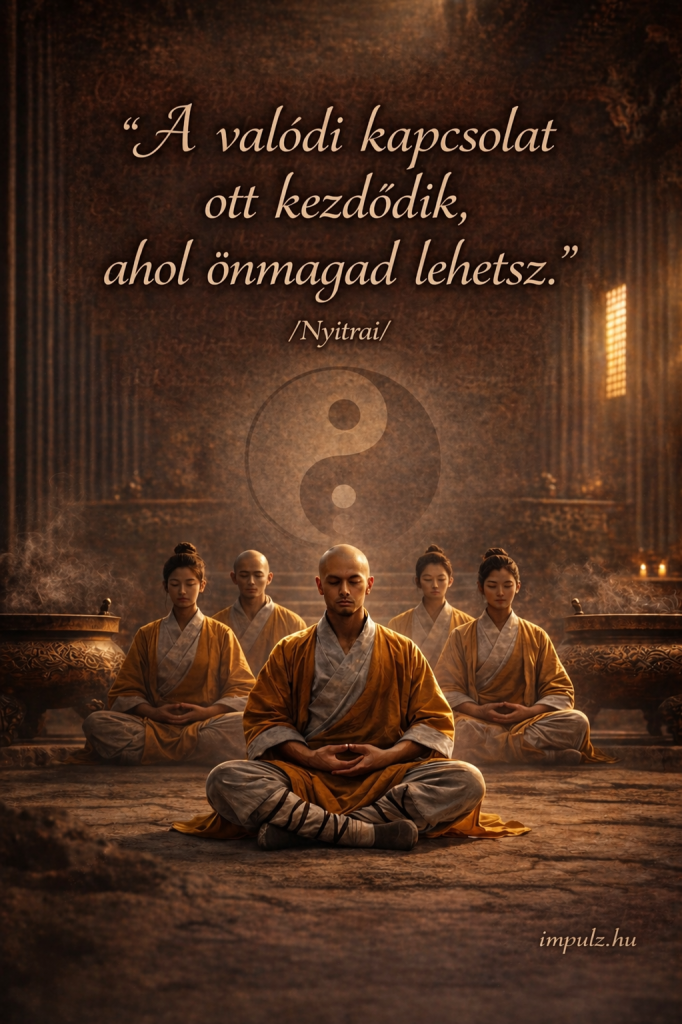
„A valódi kapcsolat ott kezdődik, ahol önmagad lehetsz.” /Nyitrai/
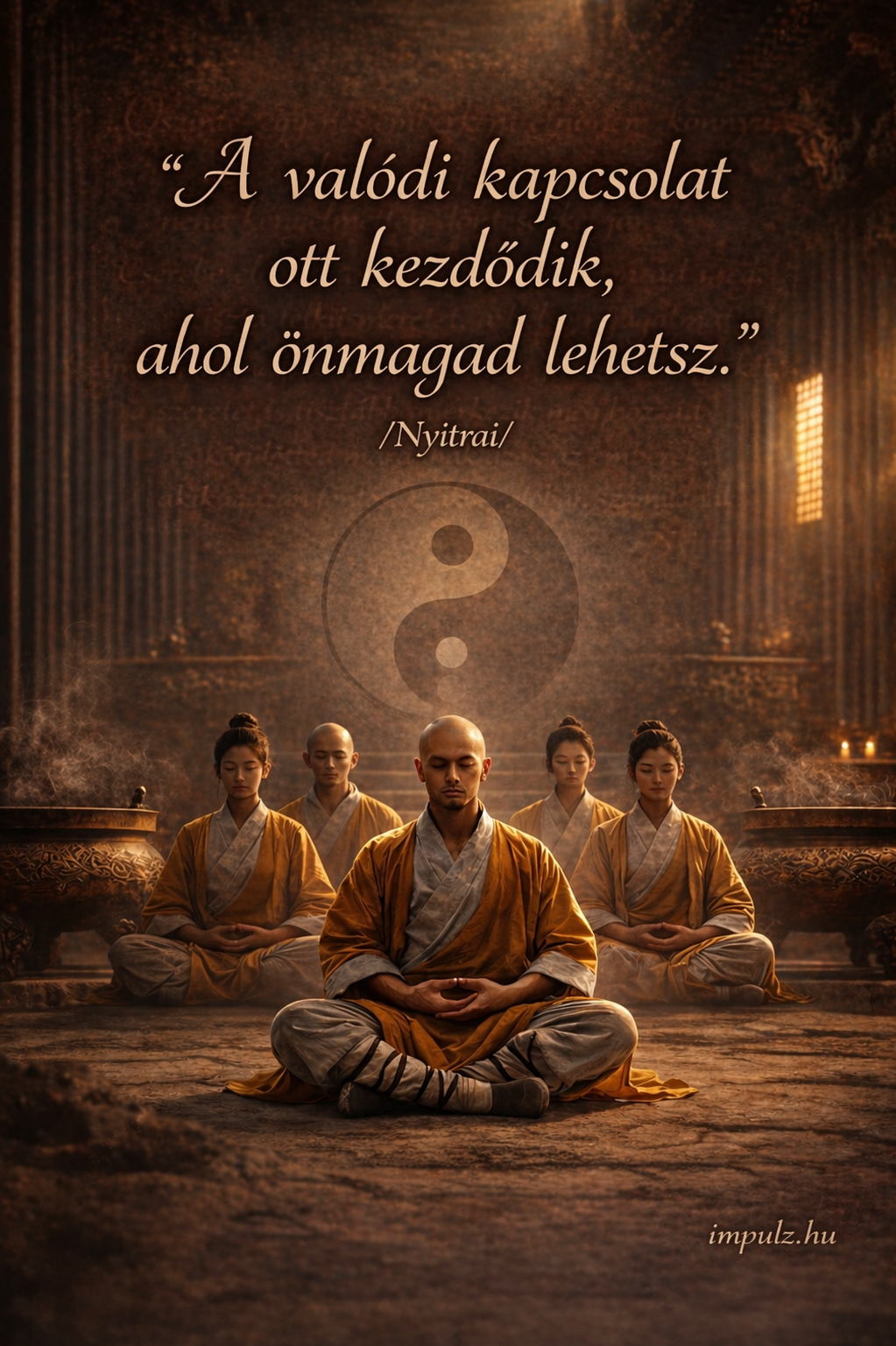
Amikor már nem önmagad vagy és észre sem veszed, hogy átformálnak
Van egy pont egy kapcsolatban, amikor valami finoman elcsúszik. Nem egyik napról a másikra történik. Nem drámai, inkább lassú, szinte észrevétlen folyamat és te közben azt hiszed, minden rendben van. Csak épp egyre kevesebbszer mondod ki, amit valójában gondolsz. Egyre többször hallgatsz. Egyre gyakrabban igazodsz és egyszer csak ott találod magad, hogy már nem is tudod pontosan, hol vagy te ebben a kapcsolatban.
Ez az a pont, ahol érdemes megállni egy pillanatra.
Mert amit sokan „alkalmazkodásnak” hívnak, az valójában gyakran önfeladás és ez nem szeretet.
Egy kapcsolat elején minden könnyebb, nyitott vagy, elfogadó, rugalmas, ő is az. Kicsit igazodtok egymáshoz, ami természetes. De van egy határ, amit sokan észre sem vesznek, amikor átlépnek.
Amikor már nem csak finomhangolás történik, hanem átalakítás.
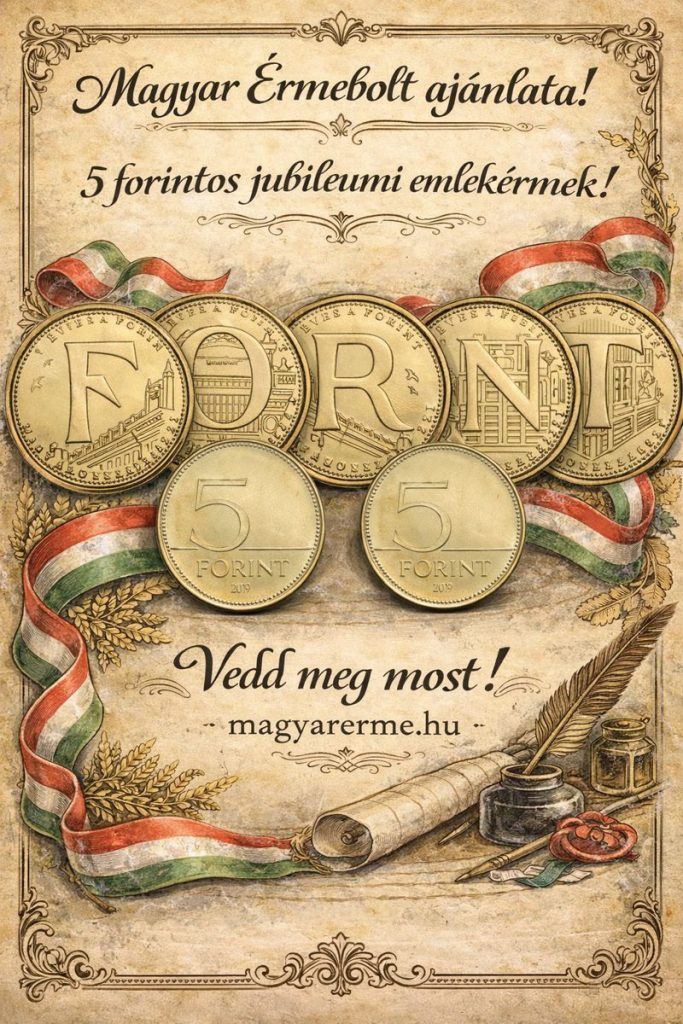
5 forintos forgalmi érme emlékváltozatai magyarerme.hu
És itt kezdődik az, ami hosszú távon rombol.
Képzeld el ezt a helyzetet. Szeretsz spontán lenni, elmenni csak úgy, program nélkül. Ő viszont ezt „gyerekesnek” tartja. Először csak megjegyzi. Aztán egyre többször. Végül már te mondod magadnak: „inkább ne”.
Vagy például, van egy véleményed, ami nem egyezik az övével. Látod rajta a feszültséget, az elutasítást. Nem mond semmit, csak elhallgat és te legközelebb már inkább nem hozod fel.
Nem azért, mert megváltozott a véleményed, hanem mert nem akarod a feszültséget. És itt történik a lényeg, nem ő változtat meg igazán, Te kezdesz el alkalmazkodni hozzá, egyre jobban és közben észre sem veszed, hogy lassan eltűnsz a saját életedből.
Sokszor az a fél, aki „alakítani” akar, nem rossz szándékú, nem gonosz. Egyszerűen fél, fél attól, hogy elveszít. Fél attól, hogy nem elég jó és ezért próbálja a helyzetet kontrollálni.
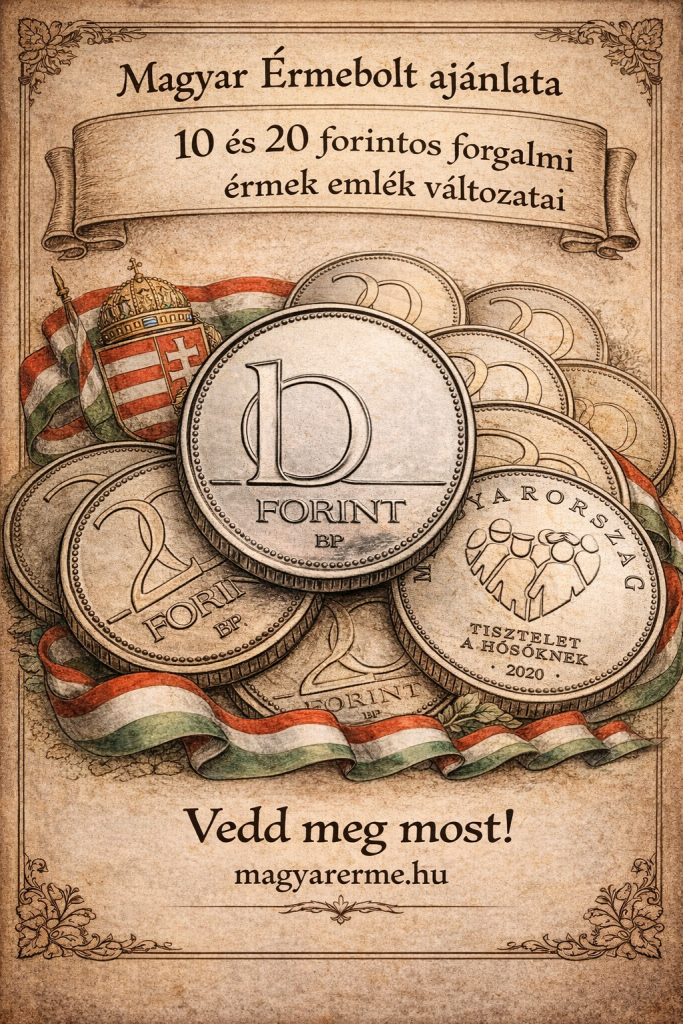
10 és 20 forintos forgalmi érme emlékváltozatai magyarerme.hu
Úgy, hogy közben észre sem veszi, mit csinál.
Például finoman kritizál. „Csak jót akar.” vagy tanácsokat ad, amiket valójában elvárásként élsz meg.
Vagy megsértődik, ha nem úgy viselkedsz, ahogy ő szeretné. Te elkezdesz alkalmazkodni, mert fontos neked a kapcsolat. Mert azt hiszed, ez a szeretet ára, de nem az, ez a belső bizonytalanság ára.
És most jön egy fontos kérdés, amit lehet, hogy nem tettél még fel magadnak:
Miért maradsz benne ebben?
Mert nem csak a másikról szól, rólad is.
Lehet, hogy te is félsz, attól, hogy ha önmagad vagy, akkor nem leszel szerethető. Hogy ha kimondod, amit gondolsz, akkor konfliktus lesz. Hogy ha nem felelsz meg, akkor elveszíted őt.
És ezért inkább csendben maradsz, ez nagyon emberi, de hosszú távon nagyon nagy árat fizetsz érte. Mert minden alkalommal, amikor nem vagy őszinte, egy kicsit eltávolodsz magadtól. Tudnod kell, hogy egy kapcsolat nem attól romlik meg, hogy különböztök. Hanem attól, hogy nem meritek vállalni a különbözőséget.
Van egy másik gyakori helyzet is. Amikor valaki azt mondja, „Én csak segíteni akarok neked” ez jól hangzik, de nézd meg, mi van mögötte.
Ha a „segítség” azt jelenti, hogy közelebb kerülsz önmagadhoz, az rendben van. De ha azt jelenti, hogy olyanná válsz, amilyennek ő látni szeretne, az már nem segítség, az már formálás és ott már nem te vagy a középpontban.

II. Rákóczi Ferenc 50 forintos forgalmi érme emlék változata! magyarerme.hu
Egy egészséges kapcsolatban nem kell kisebbnek lenned, halkabbnak lenned, kevesebbnek lenned, nem kell visszahúzódni, nem kell megalázkodni. Ott lehetsz önmagad, nem kell tökéletesnek lenni, csak egyenlő társnak.
Ez azt jelenti, hogy néha nem értesz egyet, néha feszültség van, néha nemet mondasz, de közben nem veszíted el önmagad.
És ez a legfontosabb, mert lehet, hogy most felismered magad valamelyik helyzetben. Lehet, hogy eszedbe jut egy konkrét mondat, egy konkrét helyzet. Amikor inkább hallgattál, amikor inkább alkalmazkodtál. Amikor inkább elengedted magad, nem kell ezért hibáztatnod magad, de érdemes észrevenni, mert onnantól kezdve, hogy látod, már van választásod.
Lehet, hogy először csak apró dolgokban változtatsz, kimondasz egy véleményt, nem kérsz bocsánatot azért, amiért nem kellene, nem magyarázkodsz túl és figyeled, mi történik.
Egy valódi kapcsolat ezt elbírja, sőt ettől lesz mélyebb.
Mert a szeretet nem arról szól, hogy valaki olyanná válik, amilyennek te szeretnéd, hanem arról, hogy látod őt úgy, ahogy van és mégis maradsz. Ugyanez igaz rád is, nem kell átalakulnod ahhoz, hogy szerethető legyél, csak jelen lenned, őszintén, úgy, ahogy vagy.

50 forintos forgalmi érme emlékváltozatai magyarerme.hu
Mi ennek az előzménye?
A háttere nem egyetlen ok, inkább egy finom, sokrétegű működés, amiben te is benne vagy, a másik is és mindaz, amit hoztok magatokkal.
Kezdjük ott, ami a legláthatatlanabb, a biztonság iránti vágy.
Te is vágysz rá, ő is, mindenki. Amikor kapcsolatban vagy, ez felerősödik. Fontossá válik, hogy a másik maradjon, hogy ne veszítsd el, hogy stabil legyen az egész és itt jön az első elcsúszás.
Mert sokan azt hiszik, a biztonság azt jelenti, hogy a másik kiszámítható.
És mitől lesz kiszámítható? Attól, ha hasonlóan gondolkodik, hasonlóan viselkedik, ha „illeszkedik”.
És ilyenkor, sokszor észrevétlenül, elkezdődik a formálás.
Nem feltétlenül durván, inkább apró megjegyzésekkel. Finom jelzésekkel, egy fél mondattal „Én ezt nem így csinálnám.” „Ez nekem sok.” „Ez nem igazán te vagy.”
És ha fontos neked a kapcsolat, figyelni kezdesz ezekre, alakulsz.
A másik oldalról nézve ez gyakran nem tudatos. Ő nem „rosszat akar”. Csak szeretné jól érezni magát a kapcsolatban. Csak azt szeretné, hogy működjön és azt hiszi, ehhez neked változnod kell.

100 forintos forgalmi érme emlékváltozatai magyarerme.hu
De itt van egy mélyebb réteg is, a tanult minták.
Amit gyerekként láttál, amit megtanultál arról, hogy milyen egy kapcsolat.
Lehet, hogy azt láttad, hogy az egyik fél dominál, a másik alkalmazkodik, vagy azt tapasztaltad otthon, hogy a szeretet feltételekhez kötött. Hogy akkor kapsz elfogadást, ha „jól viselkedsz” és ezt nem felejted el, beépült a tudatodba. Felnőttként újra játszod, mert úgy gondolod ez a megszokott.
Lehet, hogy te vagy az, aki alkalmazkodik, lehet, hogy te vagy az, aki alakítani próbál, de a lényeg ugyanaz.
Van még valami, ami nagyon erős, az önértékelés.
Ha mélyen belül nem vagy biztos abban, hogy elég vagy úgy, ahogy vagy, akkor könnyebben mondasz le magadról. Mert azt gondolod, hogy a szeretetet ki kell érdemelni, hogy valamilyenné kell válnod.
Ilyenkor jönnek azok a mondatok benned, hogy: „Nem baj, majd én változom.” „Csak most alkalmazkodom.” „Nem olyan nagy dolog.”
De ezek nem egyszeri döntések, ezek lassan formálnak át. A másik oldalon pedig ott van a kontroll, nem feltétlenül durva, nem feltétlenül tudatos, inkább egy belső feszültségből jön.
Ha valaki nem érzi magát elég stabilnak, akkor próbálja a külvilágot stabilizálni, téged is, a kapcsolatot is.
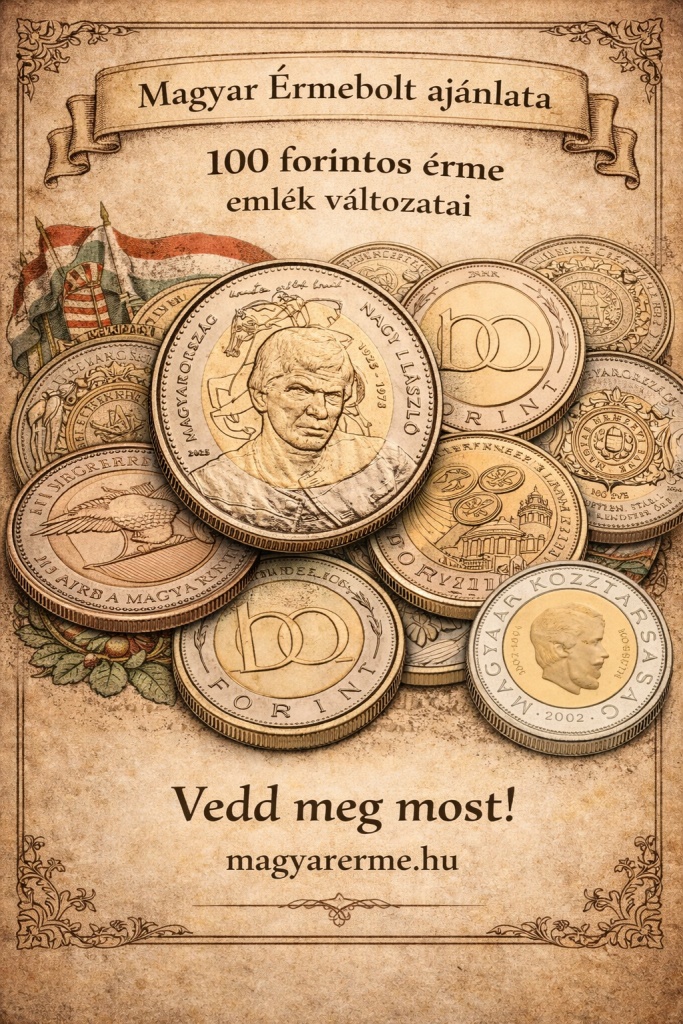
100 forintos forgalmi érme emlék változata! magyarerme.hu
És hogyan lehet ezt? Úgy, hogy „rendbe teszi”.
Megmondja, mi a jobb, mi a helyesebb, mi a „normálisabb” és ha te eltérsz ettől, az neki feszültséget okoz.
Ezért próbál visszaterelni és itt kapcsolódtok össze.
Az egyik fél fél attól, hogy nem elég, a másik fél fél attól, hogy elveszíti az irányítást. Ebből lesz az a folyamat, ahol az egyik formál, a másik alkalmazkodik.
De van még egy nagyon fontos dolog, a konfliktuskerülés.
Lehet, hogy te egyszerűen nem akarsz vitát, nem akarsz feszültséget, inkább lenyeled, inkább csendben maradsz.
Mert békét akarsz. Csak hogy ez nem valódi béke, ez csak felszíni nyugalom, belül viszont gyűlik a feszültség.
Idővel ez kijön, stresszben, távolságtartásban, frusztrációban, elhidegülésben.
És akkor már nem érted, mi történt. Pedig nem akkor romlott el, hanem sok apró, el nem mondott véleménynél, a sok veszekedésnél, a megalázott pillanatoknál, amikor nem szóltál, csak csendben ráhagytad, visszahúzódtál.
Most jön a lényeg, ez a folyamat nem a végzet, nem az a kérdés, hogy benne vagy-e, hanem az, hogy észreveszed-e.
Mert amikor elkezded látni, hogy mikor adod fel magad, amikor észreveszed, hogy mikor próbál a másik formálni, amikor felismered, hogy mi mozgat téged belül, akkor megjelenik valami új. A választás! Lehet, hogy nem könnyű, lehet, hogy félelmetes, de valós.
Akkor kezdődik az, hogy a kapcsolat nem arról szól, hogy kihez kell igazodnod, hanem arról, hogy meg tudsz-e maradni önmagadként ebben a kapcsolatban.

Nagy László 100 forintos forgalmi érme emlék változata! magyarerme.hu
Mi lehet a megoldás?
A „megoldás” nem egy trükk, nem egy mondat, amit ha kimondasz, minden rendbe jön. Inkább egy folyamat, amiben visszatalálsz magadhoz, miközben kapcsolatban maradsz. Ez a kettő együtt nem mindig kényelmes.
Az első lépés egyszerűnek tűnik, de nem az, észrevenni magad.
Figyeld meg, mikor kezdesz el alkalmazkodni. Nem nagy dolgoknál, apró helyzetekben, amikor valamit mondanál, de inkább nem. Amikor nemet mondanál, de igent mondasz, amikor érzed, hogy valami nem oké, de elengeded, ott kezdődik minden.
Nem kell rögtön változtatnod, először csak vedd észre, mert amíg megszokásból reagálsz dolgokra, addig nincs választásod. Amikor figyelsz és észreveszed, akkor már van.
A következő lépés, elkezdeni kicsiben visszahozni magad, nem kell forradalom, nem kell nagy jelenet, csak egy-egy őszinte mondat.
Például egy helyzetben, ahol eddig mindig hallgattál, most csak ennyit mondasz: „Én ezt máshogy látom.” nem támadsz, nem magyarázkodsz, csak jelen vagy.
Vagy amikor valamire nincs kedved, nem kifogást keresel, hanem kimondod: „Most inkább nem.”
Lehet, hogy ez elsőre furcsa lesz, lehet, hogy benned is feszültséget okoz, lehet, hogy a másik is meglepődik, de ez a normális.

200 forintos forgalmi érmek emlékváltozatai magyarerme,hu
Egy megszokott folyamat kezd megváltozni és itt jön egy fontos pont, nem az a cél, hogy a másik megváltozzon, hanem az, hogy te ne tűnj el, tudja meg, hogy Te is fontos vagy, neked is van és számít a véleményed.
Ha a másik erre nyitott, akkor elkezd valami átalakulni köztetek, több őszinteség lesz, több valódi érzés.
Ha viszont nem tud ezzel mit kezdeni, ha visszahúz, nyomást gyakorol, ha bűntudatot kelt benned, akkor látsz meg valami nagyon fontosat. Azt, hogy milyen alapokon áll a kapcsolat, hogy mennyire nem számít neki a Te véleményed, mennyire vagy fontos neki.
A következő lépés nagyon fontos, a határok.
Nem falakat kell húznod, hanem jelezni, mi az, ami neked belefér ebbe a kapcsolatban és mi az, ami már nem.
Például: „Fontos nekem, hogy ezt én dönthessem el.”
Vagy: „Nem szeretném, ha így beszélnél velem.”
Ezek nem támadások, ezek önmagad vállalásai és igen, ehhez bátorság kell.
Mert benne van a kockázat: mi lesz, ha a másik ezt nem fogadja el?

Millenniumi 2 000 forint bankjegy!
Vedd meg most! magyarerme.hu
De itt jön az egyik legőszintébb pont, ha csak úgy tud megmaradni a kapcsolat, hogy közben te feladod magad, akkor az már most sem működik igazán.
A valódi közelség nem attól jön létre, hogy mindenben egyformák vagytok, hanem attól, hogy különbözőek vagytok és mégis ott maradtok egymás mellett.
Még valami fontos, hogy magaddal is őszinte legyél.
Ne csak azt nézd, hogy a másik mit csinál, nézd meg, te mit engedsz meg, hol mondasz le magadról, hol félsz.
Mert amíg belül azt érzed, hogy „csak így marad meg”, addig nehéz lesz változtatni.
De amikor elkezded megtapasztalni, hogy lehetsz önmagad és mégsem omlik össze minden, akkor történik meg az igazi váltás. Lassan, nem egyik napról a másikra, de stabilan.
A végén már nem az lesz a kérdés, hogy hogyan tarts meg egy kapcsolatot, hanem az, hogy milyen kapcsolat az, amit érdemes megtartani.
Olyan, ahol szerepet kell játszanod, vagy olyan, ahol végre az lehetsz, aki vagy.
💎irta: Nyitrai József 2026.04.22.
💎 impulz.hu
When you are no longer yourself, and you don’t even notice you’re being reshaped
„The real relationship begins where you can be yourself.” /Nyitrai/
There comes a point in a relationship when something subtly shifts. It doesn’t happen overnight. It’s not dramatic, it’s slow, almost unnoticeable, and all the while you think everything is fine.
Except you say what you truly think less and less. You stay silent more often. You adapt more frequently, and suddenly you find yourself not even knowing exactly where you are in all of this.
This is the point where it’s worth pausing for a moment.
Because what many call “adaptation” is often actually self-abandonment, and that is not love.
At the beginning of a relationship, everything is easier. You are open, accepting, flexible, and so are they. You adjust to each other a little, which is natural. But there is a line that many people don’t even notice when they cross it.
When it’s no longer fine-tuning, but transformation.
And this is where something begins that can be destructive in the long run.
Imagine this situation. You like being spontaneous, going out without plans. They consider that “childish.” At first, they just mention it. Then more often. Eventually, you start telling yourself: “better not.”
Or for example, you have an opinion that doesn’t match theirs. You see the tension, the rejection. They don’t say anything, just fall silent, and next time, you’d rather not bring it up.
Not because your opinion has changed, but because you don’t want the tension. And this is where the essence lies: they don’t really change you, you start adapting to them more and more, and without noticing it, you slowly disappear from your own life.
Often, the one who wants to “shape” things is not ill-intentioned, not cruel. They are simply afraid. Afraid of losing you. Afraid of not being good enough, and so they try to control the situation.
A természet gyógyító ereje! Érdekel >>
Without even realizing what they’re doing.
For example, they criticize gently. “I just want what’s best for you.” Or they give advice that you actually experience as expectations.
Or they get hurt if you don’t behave the way they would like. You begin to adapt because the relationship matters to you. Because you think this is the price of love, but it’s not. It’s the price of inner insecurity.
And now comes an important question you may not have asked yourself yet:
Why do you stay in this?
Because it’s not only about the other person, it’s about you, too.
Maybe you are also afraid that if you are yourself, you won’t be lovable. That if you say what you think, there will be conflict. That if you don’t meet expectations, you will lose them.
And so you stay quiet. It’s very human, but in the long run, you pay a high price. Because every time you are not honest, you move a little further away from yourself. You need to know: a relationship doesn’t fall apart because you are different. It falls apart because you don’t dare to embrace those differences.
There is another common situation. When someone says, “I just want to help you.” It sounds good, but look at what’s behind it.
If “help” means getting closer to yourself, that’s fine. But if it means becoming who they want you to be, then it’s no longer help, it’s shaping, and at that point, you are no longer at the center.
In a healthy relationship, you don’t have to become smaller, quieter, or less. You don’t have to withdraw or humble yourself. You can be yourself. You don’t have to be perfect, just an equal partner.
This means that sometimes you disagree, sometimes there is tension, sometimes you say no, but you don’t lose yourself in the process.
And this is the most important part. Because you might recognize yourself in one of these situations. Maybe a specific sentence or moment comes to mind. When you stayed silent. When you adapted. When you let yourself go.

Magyarország új alaptörvénye blokk
Vedd meg most! magyarbelyeg.hu
You don’t have to blame yourself for this, but it’s worth noticing. Because from the moment you see it, you have a choice.
Maybe at first you only change small things. You express an opinion. You don’t apologize for something you shouldn’t. You don’t over-explain. And you watch what happens.
A real relationship can handle this, in fact, it becomes deeper because of it.
Because love is not about someone becoming who you want them to be. It’s about seeing them as they are, and staying anyway. The same is true for you: you don’t have to transform to be lovable. You just have to be present, honestly, as you are.
What comes before this?
The background is not a single cause, it’s a subtle, layered dynamic in which you are involved, the other person is involved, and everything you both bring with you.
Let’s start with what is most invisible: the desire for security.
You want it. They want it. Everyone does. When you are in a relationship, it intensifies. It becomes important that the other person stays, that you don’t lose them, that things remain stable, and this is where the first shift happens.
Because many people believe that security means predictability.
And what makes someone predictable? If they think similarly, behave similarly, if they “fit.”
And so, often without noticing, the shaping begins.
Not necessarily harshly, more like small remarks. Subtle signals. A half sentence: “I wouldn’t do it like that.” “That’s a bit much for me.” “That’s not really you.”
And if the relationship matters to you, you start paying attention to these, you begin to change.
From the other side, this is often not conscious. They don’t want something “bad.” They just want to feel good in the relationship. They just want it to work, and they believe that for this, you need to change.
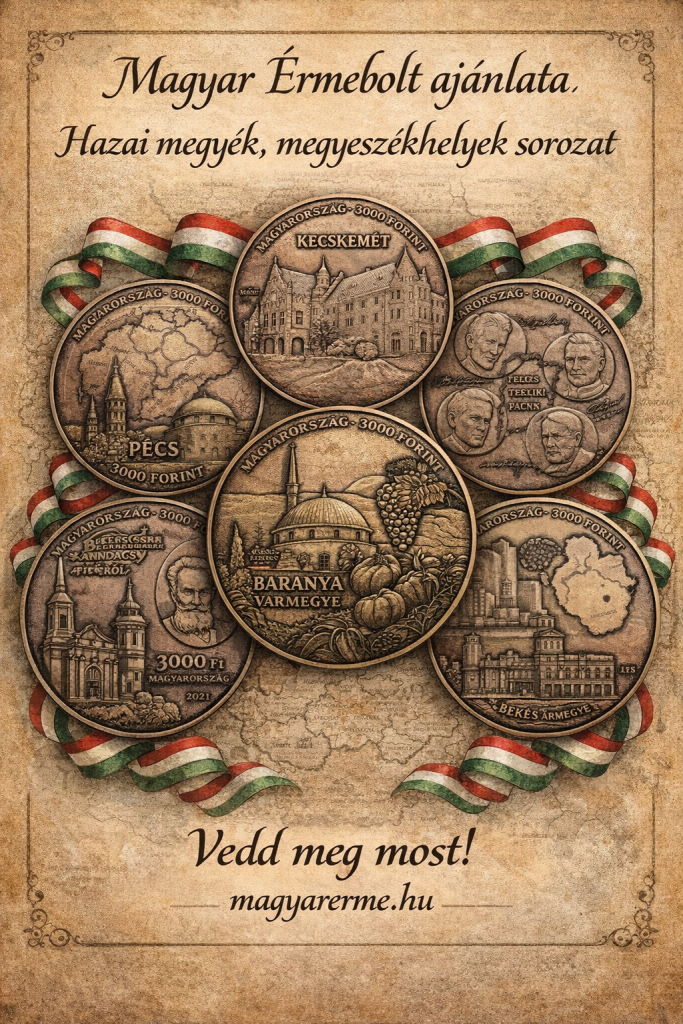
Hazai megyék, vármegyék érme sorozat magyarerme.hu
But there is a deeper layer here, learned patterns.
What you saw as a child. What you learned about what a relationship is like.
Maybe you saw one person dominate and the other adapt. Or you experienced at home that love is conditional, that you receive acceptance only if you “behave well.” And you don’t forget this, it becomes part of your inner world. As an adult, you replay it because it feels familiar.
Maybe you are the one who adapts. Maybe you are the one who tries to shape. But the essence is the same.
There is something else that is very powerful: self-worth.
If deep down you are not sure that you are enough as you are, it becomes easier to give yourself up. Because you think love has to be earned, that you have to become someone.
And this is when those sentences appear inside you: “It’s okay, I’ll change.” “I’ll just adapt for now.” “It’s not a big deal.”
But these are not one-time decisions, they slowly reshape you.
On the other side, there is control, not necessarily harsh, not necessarily conscious, but coming from inner tension.
If someone doesn’t feel stable enough, they try to stabilize the outside world, you, the relationship.
And how do they do that? By “putting things in order.”
They tell what is better, what is more right, what is more “normal.” And if you deviate from that, it creates tension for them.
A pénztárcádban lapuló kincsek – Az értékes forgalmi érmek >>
So they try to steer you back, and this is where you connect.
One person is afraid of not being enough, the other is afraid of losing control. From this comes the process where one shapes, and the other adapts.
But there is one more very important factor: conflict avoidance.
Maybe you simply don’t want arguments. You don’t want tension. So you swallow things, you stay silent.
Because you want peace. But this is not real peace, it’s only surface calm, while inside tension is building.
Over time, it comes out, in stress, distance, frustration, emotional coldness.
And then you don’t understand what happened. But it didn’t break then, it broke in many small, unspoken opinions, in repeated conflicts, in humiliating moments when you said nothing, just let it go, withdrew quietly.
Now comes the essence: this process is not fate. The question is not whether you are in it, but whether you notice it.
Because when you start seeing when you give yourself up, when you notice when the other tries to shape you, when you recognize what drives you inside, something new appears: choice.
It may not be easy. It may be frightening. But it is real.
This is where the relationship stops being about who you have to adapt to, and becomes about whether you can remain yourself within it.

Erópai Unió Elnökség érme szett – magyarerme.hu
What could be the solution?
The “solution” is not a trick. Not a sentence that fixes everything. It’s a process in which you return to yourself while staying in the relationship. And these two together are not always comfortable.
The first step seems simple, but it isn’t: noticing yourself.
Observe when you start adapting. Not in big things, in small situations. When you would say something, but don’t. When you would say no, but say yes. When you feel something isn’t okay, but let it go, that’s where everything begins.
You don’t have to change immediately. First, just notice. Because as long as you react out of habit, you have no choice. When you observe, you do.
The next step is to start bringing yourself back in small ways. No revolution. No big scene. Just a few honest sentences.
For example, in a situation where you always stayed silent, now you simply say: “I see it differently.” You don’t attack. You don’t over-explain. You are just present.
Or when you don’t feel like something, you don’t look for excuses, you say: “I’d rather not right now.”
At first, this may feel strange. It may create tension in you. The other person may be surprised. That’s normal.
Deák Ferenc 20 forintos forgalmi érme emlék változata magyarerme.hu
A familiar pattern is starting to change.
And here comes an important point: the goal is not for the other person to change, it’s for you not to disappear. For them to know that you matter too. That your opinion exists, and counts.
If the other person is open to this, something begins to transform between you. There will be more honesty. More real feeling.
But if they can’t handle it, if they pull you back, apply pressure, create guilt, then you will see something very important: what the relationship is built on. How much your voice matters. How important you are to them.
The next step is very important: boundaries.
Not walls, but signals of what is okay for you in this relationship, and what is not.
For example: “It’s important to me that I decide this.”
Or: “I don’t want you to speak to me like that.”
These are not attacks, they are expressions of yourself. And yes, this takes courage.
Because there is a risk: what if the other person doesn’t accept it?
But here is one of the most honest points: if a relationship can only survive when you give yourself up, then it is not truly working even now.
Real closeness does not come from being the same in everything, but from being different and still staying beside each other.

Vedd meg most, a 200 forintos ezüst érme párt! magyarerme.hu
One more important thing: be honest with yourself.
Don’t just look at what the other person does, look at what you allow. Where you give yourself up. Where you are afraid.
Because as long as you feel inside that “this is the only way it can last,” it will be hard to change.
But when you begin to experience that you can be yourself and everything doesn’t fall apart, that’s when the real shift happens. Slowly. Not overnight. But steadily.
In the end, the question will no longer be how to keep a relationship, but what kind of relationship is worth keeping.
One where you have to play a role, or one where you can finally be who you are.
💎written by: József Nyitrai 22.04.2026
💎impulz.hu