A Lélek hálója és a lelkiismeret hangja – A látatlan rács titkai
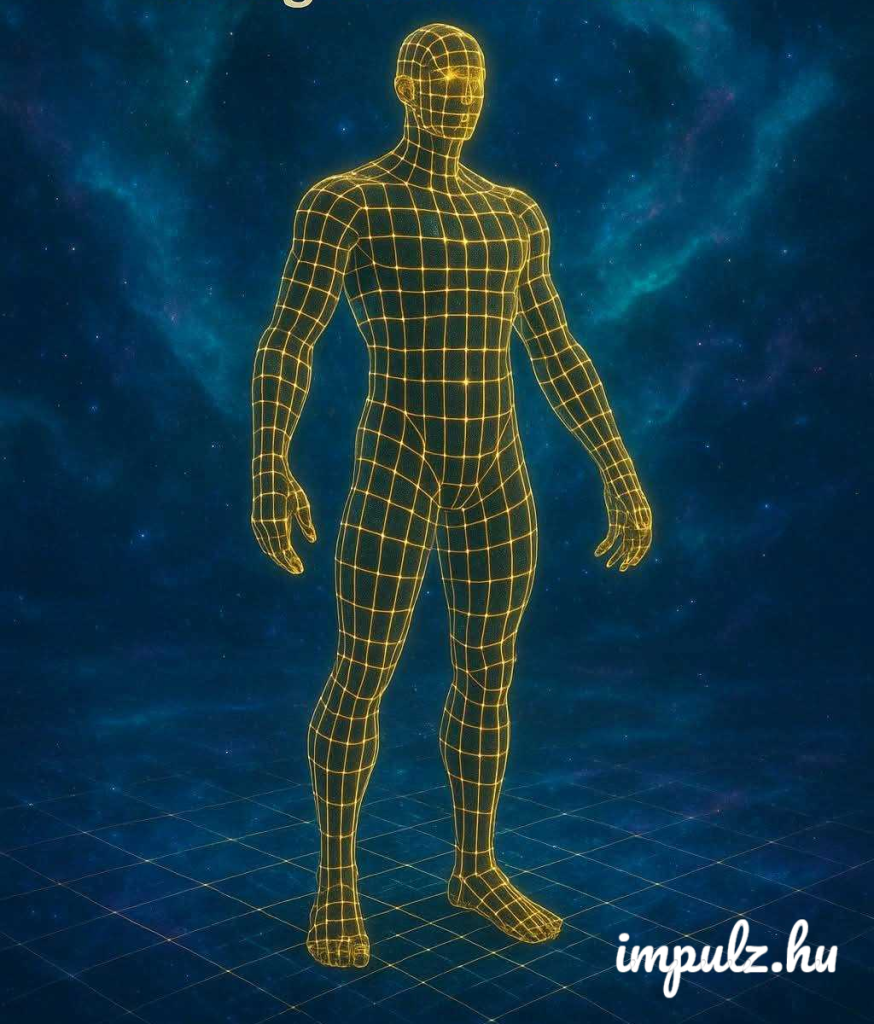
„a látatlan rács, egy olyan belső világ, amelyet te formálsz és amely téged formál vissza”
/Nyitrai József 2025.12.08./
Az ember mindig is érezte, hogy testének állapota nem csupán biológiai történet. Van benne valami más: egy titokzatos, belső szerkezet, amely úgy reagál minden szóra, gondolatra, érzelemre, mint húr a hangra. Mintha valami finom, szövevényes háló fonódna körénk, amely figyel, rögzít és visszhangoz. A régi mesterek (régiek, őseink), ezt a rendszert sokféleképpen nevezték, de a legérdekesebb talán a „Látatlan rács” képzete, egy olyan belső tér, amelyben minden rezdülésünk lenyomatot hagy.
Ez a rács nem külső erő, nem hatalmi struktúra. Sokkal inkább az emberi életben működő erkölcsi-következményrendszer, amely titokban formálja sorsunkat. A Látatlan Rács nem büntet és nem jutalmaz: egyszerűen visszatükröz, mint egy ősi, tiszta tó, amelyben semmit sem lehet elrejteni. Ha tiszta arc hajol fölé, tiszta arc néz vissza. Ha zaklatott, akkor zaklatott.
A Látatlan rács működését legkönnyebben úgy lehet megérteni, ha megfigyeljük: az ember sokszor nem attól roppan meg, amit mások tesznek vele, hanem attól, amit ő maga ad ki magából. Nem a külső események terhelik meg legjobban az emberi létezést, hanem a belső elmozdulások: a mohóság, a gyűlölet, a szétszórtság, a becsvágy, a gőg, vagy éppen a szeretet hiánya.
És amikor valaki huzamosan a saját természetével kerül szembe, az a belső szerkezet megrezdül, feszülni kezd, majd előbb-utóbb repedések jelennek meg rajta. A történet itt kezdődik.

Magyar Érmebolt magyarerme.hu
A Látatlan rács működése – A fény és árnyék váltakozása
Az ősi tanítások szerint az ember életét nem a külső körülmények alakítják, hanem a belső állapotok. Ezek az állapotok pedig nem véletlenszerűek, mind összefügg egy-egy elmozdulással, amely elszakít bennünket a saját útunktól.
Mert, a régi mesterek szerint, minden elmozdulásnak következménye van. Nem büntetés, nem bosszú, hanem egyfajta önmagunkhoz való visszavezetés, amely gyakran kellemetlen állapotként jelenik meg. A Látatlan rács így működik, ahol a gondolat, ott az irány; ahol az irány, ott a tapasztalat.
A régi mesterek megfigyelései szerint, az ember akkor szenved a legtöbbet, amikor eltávolodik attól, ami tiszta és őszinte benne.
Ilyen eltávolodást hoz például:
- amikor valaki mások rovására akar emelkedni,
- amikor csak az élvezetek hajszolása érdekli,
- amikor a gyűlöletet táplálja,
- amikor rágalmaz, megvet, vagy kicsúfol,
- amikor a saját fájdalmát másokra tolja át,
- amikor a hatalmat saját céljaira használja,
- amikor önmagát mások fölé helyezi,
- amikor a vágyait tisztességtelen úton akarja beteljesíteni,
- amikor nem képes meghallgatni a másik embert,
- amikor fél a felelősségtől,
- amikor elrugaszkodik a tisztaságtól, amelyből eredetileg táplálkozik.
A régiek szerint ezek a belső elhajlások olyanok, mint az apró kavicsok, amelyeket a hegyre görgetve hagyunk: mindegyik megindít egy lavinát, és mire a kavicsok elérnek a völgybe, már hatalmas zápor csap le ránk.
A Látatlan Rács nem felejt. Nem azért, mert büntetni akar, hanem mert rögzíti a mozdulatainkat majd visszaküldi azokat, hogy tanuljunk belőlük.
Ezért van az, hogy aki gúnyolódik, rajta is gúnyolódni fognak, aki másra háritja a felelősséget, maga is elbotlik, aki másokat megvet, maga is megalázottságot tapasztal.
Nem azért, mert valaki ezt rákényszeríti. Egyszerűen így működik az emberi természet, amit elvetünk, azt aratjuk.
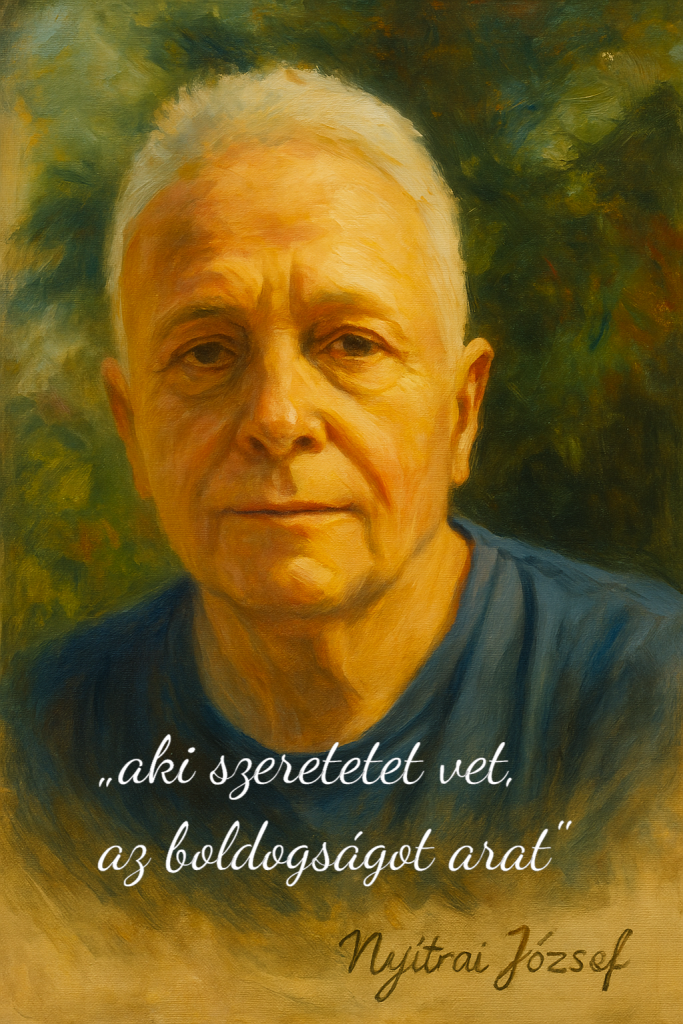
„aki szeretetet vet, az boldogságot arat” /Nyitrai/
Az emberi elmozdulások hosszú listája, és a következmények
A régiek hosszú lajstromba szedték, mely elmozdulások zavarják össze leggyorsabban az ember belső szerkezetét. Ezek nem testi betegségeket magyaráznak, hanem a létezésben bekövetkező töréseket, feszültségeket, zavarokat.
Így például:
- a hit, hogy mások gonoszak, és csak mi vagyunk igazak, önmagában is feszültséget teremt;
- az állandó panaszkodás, elzárja az erőt;
- az önszeretet hiánya, mintha saját forrásunkat zárnánk el;
- a gyűlölet, olyan, mint sav a saját edényünkben;
- a kapzsiság, végtelen fenyegetettségérzetet hoz;
- mások leértékelése, a saját értékeink lerombolásával jár;
- a mások feletti uralkodás vágya, belső szorítást idéz elő;
- a kéretlen beavatkozás, szétzilálja a közös teret;
- a féltékenység, önmérgezés;
- a hazugság, lassú erózió a lélekben;
- a becsmérlés, olyan, mintha saját kertünk termőföldjét szórnánk ki.
Minden ilyen elmozdulás egy hajszálrepedés a Látatlan rácson. Eleinte alig látszik, aztán nő. Majd egyszer csak a rács feszíteni kezdi az embert, nyugtalansággal, fásultsággal, zavarodottsággal, tartós elégedetlenséggel.
Nem más történik ilyenkor, mint hogy az ember saját tetteinek visszhangját hallja.

5 forintos forgalmi érme emlékváltozatai magyarerme.hu
A Látatlan rács mint útmutató – Hogyan születik a harmónia?
A régi mesterek azt tanították, az ember akkor egész, ha arra figyel, hogy minden mozdulata visszhangot vet. Nem kell tökéletesnek lenni. Nem kell világmegváltó cselekedetekhez nyúlni. Egyetlen dolog szükséges, szándékban tisztának lenni, és ott korrigálni, ahol letértünk.
Ezért javították ki a hibáikat már a pillanatban, amikor elkövették. Nem azért, mert féltek valami büntetéstől, hanem mert értették: ha a rácson keletkezik egy repedés, a világuk is repedezni kezd. És minél hamarabb javítják, annál kisebb a torzulás.
A szelíd figyelem, a másik ember meghallgatása, az önzetlen adás, a nagylelkűség, a tiszta beszéd, a hála, az együttérzés, a felelősségvállalás, mindegyik a Látatlan Rács helyreállítását szolgálja.
Aki így él, azt mondták róla, „A belső ereje védelmezi.”
A Látatlan Rács és az ember útja
A történet végén mindig ugyanoda jutunk, az ember saját magát alakítja, minden egyes döntésével. A Látatlan Rács nem kívül van. Nem a sors, nem a szerencse, nem valami szeszélyes hatalom tartja kezében.
A rács mi magunk vagyunk, minden gondolatunk, érzésünk és cselekedetünk összessége.
Aki ezt megérti, az tudja:
nincs apró mozdulat, amely ne formálná az életét,
nincs kimondott szó, amely nyomtalanul tűnik el,
nincs gondolat, amely ne rezdítené meg a belső szerkezetet,
Aki ezt belátja, annak nincs szüksége félelemre, mert minden pillanatban képes alakítani azt, ami körülötte és benne van.
És aki így él, bátran vallhatja:
a nemes szándék, a tiszta gondolat és a derűs szív olyan erőt ad, amely bármilyen élethelyzetben megóvja.

Hazai Megyék, Vármegyék érme sor, magyarerme.hu
A Látatlan Rács Története – A belső tér, amely mindenre reagál
Az ember gyakran érzi, hogy benne több történik, mint amit pusztán a gondolatai hordoznak. Olyan, mintha volna egy titkos tere, egy mély, belső udvara, ahol minden rezdülésének nyoma marad. A régiek ezt a helyet egy különös képpel írták le: Látatlan rácsnak nevezték. Olyannak képzelték el, mint egy belső hálót, amely finom szálakból áll, és amihez minden gondolat, minden érzés, minden döntés hozzáér.
És minden érintés visszaverődött. Mintha a belső tér folyamatosan válaszolna arra, amivel tápláljuk.
De mégis, mi ez a Látatlan rács?
Lélek?
Lelkiismeret?
Vagy valami egészen más?
A magyarázatot egy vándortörténet segítségével lehet megérteni.
A lélek mint szövet és a Látatlan rács hozzá kapcsolódódása
A történet úgy mondja, amikor az ember megszületik, nem üresen érkezik. Mintha lenne benne egy szelíd fényből szőtt gyűjtemény.

Magyar Tudományos Akadémia – Első napi veret magyarerme.hu
Miből tevődik össze ez a gyűjtemény?
emlékek,
érzelmek,
régi döntések lenyomatai,
szokásokból kialakult minták,
apró visszhangok abból, amit valaha átélt,
genetikai, öröklődési tulajdonságok
Ez az ember belső „szövetének” alapja. Sok hagyomány hívja ezt léleknek, egy olyan mély részünknek, ahol minden tapasztalat összeér és tovább él.
Ha így nézzük, akkor bizony a Látatlan rács közel áll ehhez a szövethez.
Mert az is megőriz mindent:
a jó szándékot,
a rosszindulatot,
az örömöt,
a féltékenységet,
a tisztaságot,
a bosszút,
az irgalmat,
a szeretetet
Csakhogy a Látatlan rács még ennél is elevenebb. A lélek többnyire csendben hordoz, emlékszik, őriz, tárol. A Látatlan rács ezzel szemben folyamatosan mozog, reagál, alakul.
Olyan, mint amikor egy tó tükre rezdül, ha követ dobsz bele.
De itt minden gondolat, minden apró indulat, minden jó szándék érinti meg a felszínt.
Ezért mondják:
👉 a Látatlan Rács lehet a lélek egyik rétege, de nem az egész.
A lélek az, ami hordoz, a Látatlan rács az, ami visszaver.

HUNOR Űrhajós extra érme forgalmi sor, magyarerme.hu
A belső hang, miért nem ugyanaz, mint a Látatlan rács?
A vándortörténet azt is meséli, hogy az emberben él egy halk útjelző hang. Nem kiabál, nem fenyeget, nem utasít, inkább súg. Nevezhetjük lelkiismeretnek, belső hangnak, megérzésnek.
„Ez nem helyes.”
„Ezt ne így tedd.”
„Erre menj.”
Ez a hang csak akkor szólal meg, amikor dönteni kell. Mint egy mécses a sötétben, amely nem világít be mindent, de megmutatja, merre kellene menned.
Ezt a hangot sokan nevezik lelkiismeretnek (tehát a szó használata itt a magyarázat része, nem a te kérésed szerinti tilalom). Bárhogy is hívjuk, a lényeg ugyanaz: egy belső iránytű.
De a Látatlan rács nem ilyen.
Nem szólal meg.
Nem tanácsol.
Nem könyörög.
Nem vezet kézen fogva.
A Látatlan rács inkább törvényszerűség.
Olyan, mint az árnyék, ami azért jelenik meg a talajon, mert a nap előtt állunk.
Nem akar semmit.
Nem figyelmeztet.
Egyszerűen csak visszaadja azt, amit beletettünk.
Ha jóindulatot viszünk bele, visszatér hozzánk enyhe derűként.
Ha tüskét szúrunk bele, a tüske is visszatér.
Ezért mondták a régi mesterek:
👉 a belső hang csak egy része ennek a rendszernek, olyan mint egy jelzőfény, ami figyelmeztet, ha rossz irányba lépsz.
De maga a Látatlan rács sokkal nagyobb, az egész belső tér, amelyben mozogsz.
200 forintos forgalmi érmek emlékváltozatai magyarerme,hu
A három szereplő, a láthatatlan rács, a hang és te
A történet végére kiderül, ez a belső világ három részből áll.
A lélek:
a mély szövet, amely mindent őriz, örömöt, fájdalmat, emléket, döntést.
A lelkiismeret:
a halk útjelző, amely időnként megszólal, hogy megmutassa, merre kellene tovább lépni.
A Látatlan rács:
az egész rendszer visszhangzó tere, amely nem beszél, nem kér, nem dorgál, csak reagál arra, amit életre hívsz magadban és amit teszel, mutatsz mások felé.
És végül ott vagy te, a cselekvő, a gondolkodó, az érző, aki minden gondolattal megpendít egy szálat a rácson és minden szál válaszol.
Minden mozdulat, amit teszel, minden érzés, amit táplálsz, minden szó, amit kimondasz, visszatér valamilyen formában.
Másképp nem is lehetne, ez a Látatlan rács lényege:
„egy olyan belső világ, amelyet te formálsz és amely téged formál vissza„
💎irta: Nyitrai József
💎 impulz.hu
The soul’s web and the voice of conscience – The secrets of the invisible grid
“The invisible grid is an inner world you shape, and that in turn shapes you.”
/ József Nyitrai, 2025.12.08. /
Human beings have always sensed that the state of the body is not merely a biological story. There is something more in us: a mysterious inner structure that responds to every word, thought, and emotion like a string responding to a note. It is as if a fine, intricate web surrounds us — one that observes, records, and echoes. The ancient masters (the elders, our ancestors) called this system many things, but perhaps the most fascinating is the idea of the “Invisible Grid,” an inner space where every slightest movement of the soul leaves an imprint.
This grid is not an external force, not a structure of power. It is much more like the moral–consequence system that operates within human life, quietly shaping our destiny. The Invisible Grid does not punish and does not reward; it simply reflects, like an ancient, clear lake in which nothing can be hidden. If a pure face leans over it, a pure face looks back. If troubled, then troubled.
The functioning of the Invisible Grid can be understood most easily by observing this: a person often breaks not because of what others do to them, but because of what they themselves release into the world. It is not the external events that weigh most heavily on human existence, but the inner shifts, greed, hatred, scatter-mindedness, ambition, pride, or the absence of love.
And when someone remains in conflict with their own nature for too long, that inner structure begins to tremble, tighten, and eventually cracks begin to appear.
That is where the story begins.
The operation of the invisible grid – The dance of light and shadow
According to ancient teachings, a person’s life is not shaped by outer circumstances but by inner states. And these states are not random: each one is connected to a subtle shift that pulls us away from our own path.
For the old masters, every inner shift carried consequences. Not punishment, not revenge, but a form of self-correction, a return to our own center, which often appears as discomfort. This is how the Invisible Grid works: where the thought goes, the direction follows; where the direction goes, the experience appears.
The ancients observed that people suffer the most when they drift away from what is pure and honest within them.
Such drifting occurs, for example, when:
- someone seeks to rise at the expense of others,
- is driven only by pleasure,
- feeds hatred,
- slanders, mocks, or despises,
- unloads their pain onto others,
- uses power for personal gain,
- elevates themselves above others,
- tries to satisfy desire through dishonest means,
- cannot listen to another human being,
- fears responsibility,
- distances themselves from the purity from which they originally draw strength.
The old wisdom says such inner distortions are like tiny pebbles rolled down a mountainside: each one begins a small avalanche, and by the time those stones reach the valley, a roaring cascade descends upon us.
The Invisible Grid does not forget.
Not because it wishes to punish, but because it records our movements and returns them so we may learn.
That is why those who mock, are mocked in return; those who shift responsibility, stumble themselves; those who despise others, end up tasting humiliation.
Not because anyone forces this upon them, this is simply how human nature works.
We reap what we sow.
“Those who sow love will harvest joy.”
/ Nyitrai /
The long list of human misalignments and their consequences
The ancients compiled long lists of which inner deviations disrupt the human structure most quickly. They do not explain physical illnesses but fractures, tensions, and disturbances in one’s existence.
For example:
- the belief that others are evil while we alone are righteous creates tension,
- constant complaining blocks one’s inner strength,
- the lack of self-love is like cutting off one’s own water source,
- hatred is acid in our own bowl,
- greed breeds endless insecurity,
- belittling others dismantles our own worth,
- the desire to dominate creates inner constriction,
- meddling without being asked scatters the shared space,
- jealousy is self-poisoning,
- lying works as slow erosion within the soul,
- sneering is like throwing away the fertile soil of one’s garden.
Every such misalignment is a tiny crack in the Invisible Grid.
At first barely visible, then it grows.
Soon the grid begins to tighten around the person, manifesting as restlessness, apathy, confusion, long-lasting dissatisfaction.
Nothing more is happening than this: the person is hearing the echo of their own actions.
The invisible grid as guide – How harmony emerges
The ancient masters taught that a person is whole when they live with the awareness that every movement sends out a ripple.
One does not need to be perfect.
One does not need to perform world-saving deeds.
Only one thing is needed: purity of intention, and correction whenever we stray.
This is why they corrected their mistakes the moment they were made.
Not out of fear of punishment, but because they understood:
when a crack appears in the grid, their world begins to crack as well.
And the sooner it is repaired, the smaller the distortion.
Gentle attention, listening to another person, selfless giving, generosity, honest speech, gratitude, compassion, taking responsibility, all of these restore the Invisible Grid.
Those who lived this way were said to be
“Protected by their inner strength.”
The invisible grid and the human journey
The story always ends in the same place: a person shapes themselves with every decision.
The Invisible Grid is not outside of us.
Not fate, not luck, not some capricious power holds it in its hands.
The grid is us, the sum of our thoughts, feelings, and actions.
Those who understand this know:
- no movement is too small to shape their life,
- no spoken word disappears without a trace,
- no thought fails to stir the inner structure.
When this becomes clear, fear is no longer needed, for in every moment, we can shape what is around us and within us.
And those who live this way can boldly declare:
A noble intention, a clear thought, and a serene heart create a strength that protects in any circumstance.
The story of the Invisible grid – The inner space that responds to everything
People often feel that more is happening within them than what their thoughts alone carry.
As if there were a secret inner courtyard, a deep inner space where every movement leaves a mark.
The ancients described this place with a unique metaphor: the Invisible Grid.
They imagined it as an inner web woven of delicate threads, touched by every thought, feeling, and decision.
And every touch returned as a response.
As if the inner space were continually answering whatever we feed into it.
But what is this Invisible Grid?
A soul?
A conscience?
Or something else entirely?
To understand, the old tale introduces a traveler’s story.
The soul as fabric and the Invisible grid’s connection to It
The tale says that when a person is born, they do not arrive empty.
It is as if they carried a gentle collection woven of soft light.
What is this collection made of?
- memories,
- emotions,
- the imprints of past decisions,
- patterns formed by old habits,
- subtle echoes of lived experiences,
- genetic and inherited traits.
This forms the foundation of the inner “fabric” of a person.
Many traditions call this the soul, the deep part of us where all experiences meet and continue to live.
Seen this way, the Invisible Grid is indeed close to this fabric.
For it also preserves everything:
- goodwill,
- malice,
- joy,
- jealousy,
- purity,
- revenge,
- mercy,
- love.
Yet the Invisible Grid is even more alive.
The soul carries and remembers.
The Invisible Grid moves, responds, shifts.
Like the surface of a lake that ripples when a stone is thrown, except here every thought, impulse, and intention touches the surface.
Thus the saying:
👉 The Invisible Grid may be one layer of the soul, but it is not the whole.
The soul carries.
The Invisible Grid reflects.
The inner voice – Why it is not the same as the Invisible grid
The tale also speaks of a quiet guiding voice within a person.
It does not shout, threaten, or command, it whispers:
“This is not right.”
“Do not do this.”
“Go this way.”
It appears only when choices must be made.
Like a candle in the dark: it does not illuminate everything, but it shows the path forward.
This voice is often called the conscience, a simple inner compass.
But the Invisible Grid is not like this.
It does not speak.
It does not warn.
It does not advise.
It does not lead by the hand.
The Invisible Grid is a principle, a natural law.
Like a shadow on the ground that appears simply because we stand in the sunlight.
It wants nothing.
It does not judge.
It simply returns whatever we place into it.
Kindness returns as gentle ease.
A thorn returns as a thorn.
Thus the old masters said:
👉 The inner voice is only a part of the system, a signal light. The Invisible Grid is the entire space in which you move.
Three elements: the grid, the voice, and you
By the end of the tale, it becomes clear that this inner world has three parts:
The soul:
The deep fabric that carries everything joy, pain, memory, decision.
The conscience:
The quiet guide that speaks at key moments.
The Invisible Grid:
The echoing field that does not speak or demand, it simply responds to what you bring into being.
And finally there is you, the one who acts, thinks, feels, and with every movement plucks a thread of the grid, which always echoes in return.
Every movement, feeling, and word comes back in some form.
It cannot be otherwise, this is the essence of the Invisible Grid:
“An inner world you shape, and that in turn shapes you.”
💎 Written by: József Nyitrai
💎 impulz.hu