The Political and Social Situation in Hungary Today
Magyarország politikai és társadalmi helyzete ma >>
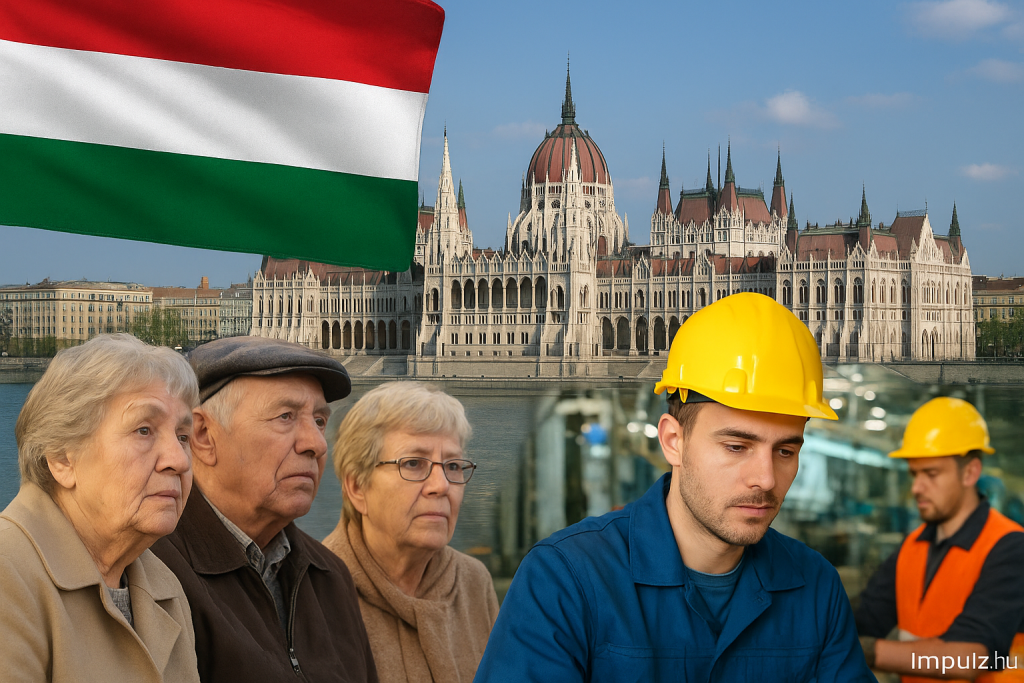
Main Topics in the Article:
- Hungary’s political situation and parties
- The ruling Fidesz–KDNP bloc and Viktor Orbán’s role
- Opposition parties, especially the Tisza Party’s program
- Foreign policy: EU relations and eastern connections, China
- Economic situation: growth, inflation, wages
- Situation of pensioners and workers
- Social challenges: demographics, inequalities, civil liberties
- Legal changes, including regulations affecting the LGBTQ+ community
- Risks and possible future scenarios
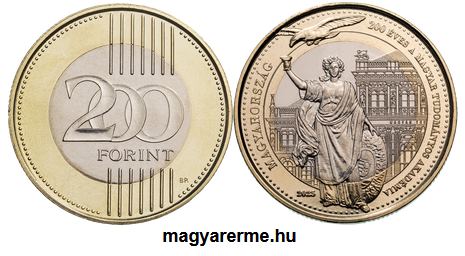
200 forintos forgalmi érme emlékváltozata magyarerme,hu
Hungary’s political and social situation in 2025
The political and social situation in Hungary in 2025 presents a complex and multifaceted picture, reflecting the country’s historical traditions, government strategies, and the challenges of everyday life. The political landscape continues to be shaped by the dynamics between the Fidesz–KDNP coalition and the increasingly assertive opposition parties, while preparations for the upcoming 2026 parliamentary elections and ongoing social dissatisfaction continuously influence public life.
Government policies, particularly in the areas of economic and social transfers, pension increases, and labor market measures, are designed to respond to the population’s financial situation and to bolster political support. At the same time, inflation, high living costs, and growing social inequalities pose challenges affecting a wide range of citizens, from young workers to rural pensioners.
In foreign policy, Hungary continues to maintain a delicate balance between contentious issues with the European Union and strengthening eastern economic ties, particularly with China. The country attracts international attention not only for economic and diplomatic reasons but also socially, especially regarding the rule of law, civil liberties, and the status of minorities.
Within this context, political decision-making, opposition strategies, and the challenges of everyday life are closely intertwined. In the following section, we will provide a detailed overview of the key political actors, electoral prospects, the economic situation, and the living conditions of workers and pensioners, aiming to present a comprehensive picture of Hungary’s current social, political, and economic landscape.

Magyar Tudományos Akadémia – Első napi veret magyarerme.hu
Political Structure: Parties and Electoral Prospects
Fidesz–KDNP (Ruling Bloc)
Prime Minister Viktor Orbán remains the dominant political figure: the close integration of Fidesz and KDNP provides a stable backdrop for government policies.
Orbán represents a populist, conservative, and nationalist style, with strong state intervention, while also skillfully using incentive and transfer policies. Some analyses suggest that clientelism is a central pillar: targeted benefits and subsidies strengthen loyalty, particularly among poorer, rural communities.
Economic measures ahead of the 2026 election (tax cuts, benefits, pension increases) indicate that the Prime Minister is engaging in “electoral politics,” attempting to secure support through direct financial assistance.
Opposition – Tisza Party
One of the main challengers is currently the Tisza Party, led by Péter Magyar.
Magyar has launched a “Hungarian New Deal,” focusing on large-scale investments, a more transparent economic policy, curbing corruption, and rethinking the use of EU funds.
According to some opinion polls, the Tisza Party could surpass Fidesz in certain scenarios. For example, a Reddit-shared survey suggested Tisza could have 51% on proportional support compared to Fidesz’s 37% (though this is a user-shared poll and not an official research institute, it reflects political tensions).
The Tisza Party program, at least according to its statements, focuses on housing, infrastructure (rail and transport), education, and anti-corruption efforts.
However, the Tisza Party could become heavily influenced by the European Union. Concerns include managing migration and promoting the LGBTQ+ community, raising fears among some that Hungary could become a country of mass immigration.
Other Parties
The Spark Movement (Szikra) is noteworthy, especially on labor rights issues. This is a left-leaning, worker-oriented movement criticizing worker exploitation and weak union protections.
The Two-Tailed Dog Party (MKKP) is also running in the 2026 election with an independent list. They use humor and satire in their politics, though recent restrictions on gatherings have brought more serious issues into focus.
The “New Start” (Új Kezdet) party dissolved in February 2025 and is no longer an active political actor.
Vedd meg most, egybe az Államalapítás érme párt magyarerme.hu
Foreign Policy
Hungary’s foreign policy is complex and often contradictory:
- West vs. East: Orbán’s government has long emphasized “independence from Northwest Europe,” criticizing the European Union while actively seeking relations with eastern countries such as China.
- Chinese Investments: Hungary is an important investment destination for China, particularly in electric vehicle and battery manufacturing.
- EU Relations: Tensions persist between the EU and the Hungarian government, particularly over rule-of-law and fundamental democratic institutions. Some analysts argue that Orbán seeks to leverage EU funds while minimizing EU influence.
Domestic Human Rights Issues
In 2025, stricter restrictions were introduced affecting the LGBTQ+ community. Laws prohibit Pride events, and the state may use facial recognition technology to identify participants.
Constitutional Amendment
In April 2025, the parliament passed an amendment constitutionally defining “two genders” and limiting the LGBTQ+ community’s right to assemble.

100 forintos emlékérmek, érme szett, magyarerme.hu
Economic Situation and Livelihood
Macroeconomy and Growth
Hungary’s economic growth remains slow. Discussions around the “Opposition New Deal” highlight criticism of stagnation, weak investment activity, and low confidence.
The government, however, claims the country is entering a “new growth phase,” with Prime Minister Orbán suggesting that the average monthly wage could reach 1 million HUF (an optimistic target).
Cost of Living, Inflation, and Wages
Most citizens believe the financial situation will not improve: a survey indicates 36% expect deterioration, while only 6% anticipate improvement.
Low real wages and high living costs are major challenges. Nonetheless, the government emphasizes a work-based society model and high employment: Hungary has a record-high employment rate.
Pensioners’ Situation
The government has introduced significant measures for pensioners: plans include a 14th-month pension, a substantial expense which the opposition sees as election-oriented.
Support for rural pensioners: In settlements with fewer than 5,000 residents, a Rural Home Renovation Program provides non-repayable grants of up to 3 million HUF for renovations, heating, and window replacement.
These measures appear strategic: rural pensioners have traditionally been a strong Fidesz support base, making these policies partly an electoral tool.
Workers’ Situation
Despite strong employment, workers do not always feel empowered. Criticisms persist that labor rights are not fully protected, particularly in strategic sectors.
Labor market diversification: sectors like the automotive industry (EVs, battery production) are developing through Chinese and other foreign investments, but this does not guarantee stable, well-paid jobs for everyone.
State support and tax incentives (e.g., family tax allowances) are based on a work-centered society model, encouraging employment but potentially creating budgetary strain.
Mária aranyforintja – magyarerme.hu
Social Challenges and Polarization
Demographics: Hungary faces serious demographic challenges: low birth rates and an aging population.
Social Inequalities: Surveys indicate public concern over corruption, income disparities, and social inequality.
Democracy and Civil Freedoms: Civil liberties, media independence, and assembly rights remain sensitive issues. The opposition and civil organizations frequently claim that the government controls the media and limits freedoms.
Legal Restrictions: New laws affecting the LGBTQ+ community—such as facial recognition and assembly limitations—raise domestic and international concerns.
Risks and Possible Scenarios for the Near Future
Fidesz Campaign Measures and Fiscal Risk
The early or campaign-related announcements of the 14th-month pension and other benefits increase budgetary risks. Fitch and other credit rating agencies have already highlighted challenges to fiscal sustainability.
This is a double-edged strategy: it can generate strong voter support (especially among pensioners) but may increase national debt if not properly managed.

Mohácsi busójárás ezüst érme magyarerme.hu
Stronger Opposition – Tisza’s Potential
If the Tisza Party successfully implements its “New Deal” and mobilizes groups most affected by the cost-of-living crisis, political reshuffling is possible.
The freezing or effective utilization of EU funds is crucial: the Tisza Party aims to unlock EU resources for investments.
External Pressure and International Relations
EU pressure regarding rule-of-law issues may continue to increase, creating economic and political tensions.
Strengthening Chinese ties remains an option, but this does not guarantee long-term sustainability across all sectors.
Social Instability and Dissatisfaction
If the cost-of-living crisis is not effectively addressed, further social dissatisfaction may arise, particularly among younger workers, lower-income groups, and parts of the middle class.
Anti-LGBTQ+ restrictions and assembly limitations may further radicalize civil society, potentially leading to protests and international criticism.
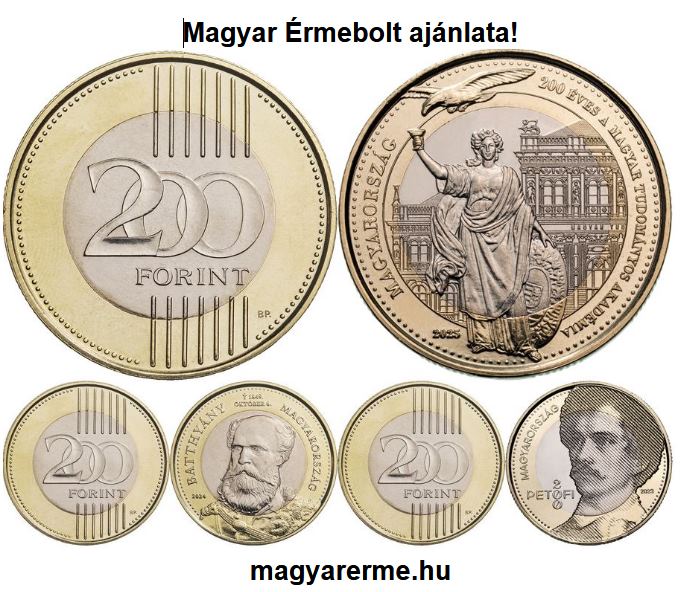
200 forintos forgalmi érmek emlékváltozatai magyarerme,hu
Summary
- Political Dynamics: Fidesz–KDNP remains in power, but the Tisza Party has become a serious challenger. The 2026 election could determine the dominant political direction.
- Economic Pressure: The cost-of-living crisis, low wages, and inflation affect many citizens. The government seeks to alleviate tension through transfer policies, but this carries fiscal risks.
- Pensioners’ Central Role: Targeted government measures (home renovation, extra pension) clearly focus on pensioners, forming a strategic voter base.
- Foreign Policy Challenges: Hungary continues to navigate tensions with the EU and relations with eastern partners (e.g., China), with rule-of-law issues creating friction.
- Social Divides: Political polarization, civil liberties, LGBTQ+ rights, and inequality are increasingly prominent, potentially leading to destabilization if not carefully managed.
Living Privately, Respecting Everyone
In recent years, several social and cultural debates have unfolded in Hungary concerning values, traditions, and the integration of Western practices. One topic that has captured public attention is the visibility and public role of LGBTQ+ communities.
Many people believe that private life—including personal choices, relationships, and gender identity—is an individual matter that does not require public display. The debate is not about disrespecting anyone’s choices, but rather about the view that such lifestyles need not be prominently advertised, celebrated, or promoted through demonstrations.
A portion of Hungarian society feels that parades and public celebrations common in Western countries do not align with local traditions and cultural expectations. Therefore, it is considered important that personal matters remain private and not become public spectacles.
At the same time, this position does not imply discrimination or disrespect. Hungarian society values treating every individual and their choices with dignity. The balance lies in keeping private life private while ensuring everyone’s rights and dignity are respected.
This perspective reflects the belief that traditional values and the respect for privacy can coexist with modern rights, without automatically adopting every Western cultural practice. The essence is that people should be free to live as they choose without making their choices a public display, while respecting the lives and decisions of others.

Rubik kocka érmepár magyarerme.hu
Viktor Orbán: Defending Hungary from Migration
In recent years, immigration has become a central political topic in Hungary. The Hungarian government has taken a firm stance: it protects the country’s borders and implements measures that serve the safety and well-being of Hungarian citizens.
Under Viktor Orbán’s leadership, Hungary has opposed certain European Union directives that advocate for large-scale immigration. The government argues that uncontrolled migration can threaten public safety, lower living standards, and disrupt social stability.
On the other hand, some political figures, such as Péter Magyar and the Tisza Party, would follow EU instructions and support policies promoting migration. The debate revolves around the extent to which immigration should be allowed and how the safety and quality of life of Hungarian citizens can be preserved.
The Hungarian government maintains that its measures allow families, children, and women to feel safe on the streets while protecting the country’s public order. According to the government, where large numbers of migrants have been admitted, increases in crime, sexual assaults, and other serious incidents have been observed. Orbán Viktor’s policies aim to prevent such risks in Hungary and ensure the security of Hungarian people.
Written by József Nyitrai
💎 impulz.hu